
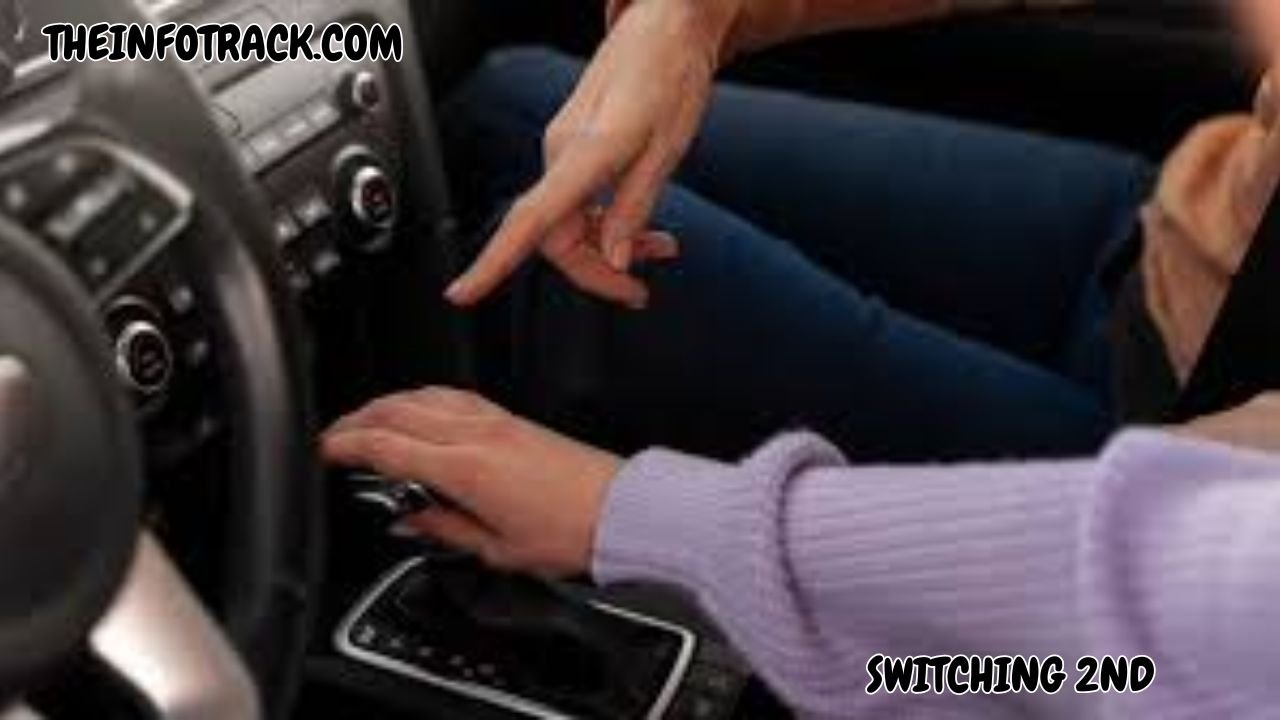
When people hear the phrase switching 2nd, they often think of cars and gears, but the meaning stretches far beyond that one interpretation. The idea of transitioning from a first stage into a second stage exists in mechanical systems, human behavior, strategy, problem-solving, and even daily life. This article explores switching 2nd in a full, human-friendly, easy-to-understand way, breaking it down into clear sections that explain what it means, why it matters, and how it works across different domains. Whether you are learning to drive, adjusting your personal habits, or understanding multi-stage systems, the concept of switching 2nd plays a surprisingly important role.
The goal of this guide is to give you a complete and detailed understanding of the phrase, its meanings, its applications, and the real reasons behind its importance. The explanations are written in a natural human tone, ensuring the article flows smoothly and remains simple to read.
What Switching 2nd Really Means
At its core, switching 2nd describes a transition from the first mode, stage, level, or gear into the second. It refers to a moment of moving forward, adjusting to a new requirement, or stepping into a more effective operating state. This shift is not only mechanical; it applies to behavior, planning, and systems.
In driving, switching 2nd means changing from first gear into second gear for smoother acceleration. In strategy, it can mean shifting from an initial plan to a secondary one. In behavior, it may mean adapting one’s tone or actions to fit a different environment.
Although the phrase sounds simple, the deeper idea behind switching 2nd is about progression, improvement, and adaptability. It is the moment when a person or system stops relying on its starting point and moves into a more dynamic, more stable, or more powerful stage.
Switching 2nd in Driving: The Most Common Interpretation
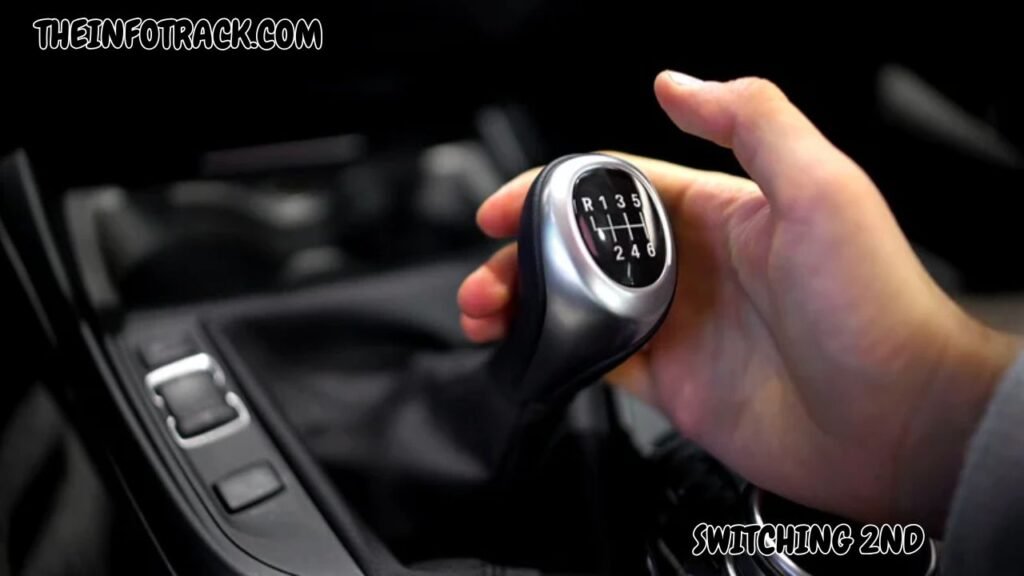
The most literal meaning of switching 2nd comes from operating a manual transmission car. First gear is designed to get the vehicle moving; it produces strong torque but is not efficient at higher speeds. Once the car begins to accelerate, first gear quickly becomes limiting, and this is when switching 2nd becomes necessary.
How First and Second Gear Work
First gear provides maximum torque, which helps the car begin moving from a full stop. However, it is not designed for speed or efficiency. As the engine revs rise, the driver must shift out of first gear to avoid strain. That is where second gear comes in.
Second gear reduces the torque slightly but increases the efficiency and smoothness of the vehicle. This allows the car to accelerate more naturally while reducing engine stress.
Why Switching 2nd Is Important in Manual Driving
Switching 2nd at the right moment is essential for:
- Smooth acceleration
- Protecting the engine from excessive strain
- Improving fuel efficiency
- Preventing jerking motions
- Ensuring the car responds well to speed changes
If the driver stays in first gear too long, the engine becomes loud, uncomfortable, and inefficient. If they switch too early, the car may stall or jerk. The balance lies in knowing when and how to shift.
How to Switch to Second Gear Smoothly
A smooth switching 2nd process involves coordination between clutch, throttle, and timing. The typical steps include:
- Accelerate in first gear until the engine reaches a comfortable RPM level.
- Remove foot from the throttle while pressing the clutch pedal fully.
- Move the gear lever from first to second gear.
- Begin releasing the clutch slowly.
- Reapply throttle gently while completing the clutch release.
The key here is not rushing. Smooth driving comes from coordination, not speed.
Common Mistakes When Switching to Second Gear
Drivers learning to shift often experience mistakes such as:
- Releasing the clutch too quickly
- Not applying enough gas when entering second gear
- Switching 2nd too early or too late
- Jerking or lurching forward
- Losing momentum due to poor coordination
These mistakes are normal and improve with practice. The goal is developing a rhythm between clutch movement and throttle control.
Mechanical Systems and Multi-Stage Processes: Switching 2nd Beyond Driving
In many technical or mechanical systems, switching 2nd refers to shifting from a primary mode to a secondary one.
Secondary Circuits and Backup Modes
Many systems feature stages of operation. The first stage may be a startup mode, warm-up process, or initialization cycle. The second stage often takes over once stability is reached. In these systems, switching 2nd can be a critical step for:
- Improving efficiency
- Increasing power
- Activating more advanced capabilities
- Preventing overload or overheating
- Transitioning from initial support systems to long-term operation
Examples include electrical circuits, cooling systems, multi-speed fans, and staged machinery.
Why These Transitions Matter
Without the ability to switch to a second mode, many machines would stay locked in a low-power or high-stress state. Just like a car staying in first gear, a machine staying in startup mode forever would eventually wear out, become inefficient, or fail.
Thus, switching 2nd in mechanical systems is essential for longevity, performance, and safe operation.
Switching 2nd as a Metaphor in Strategy and Problem-Solving
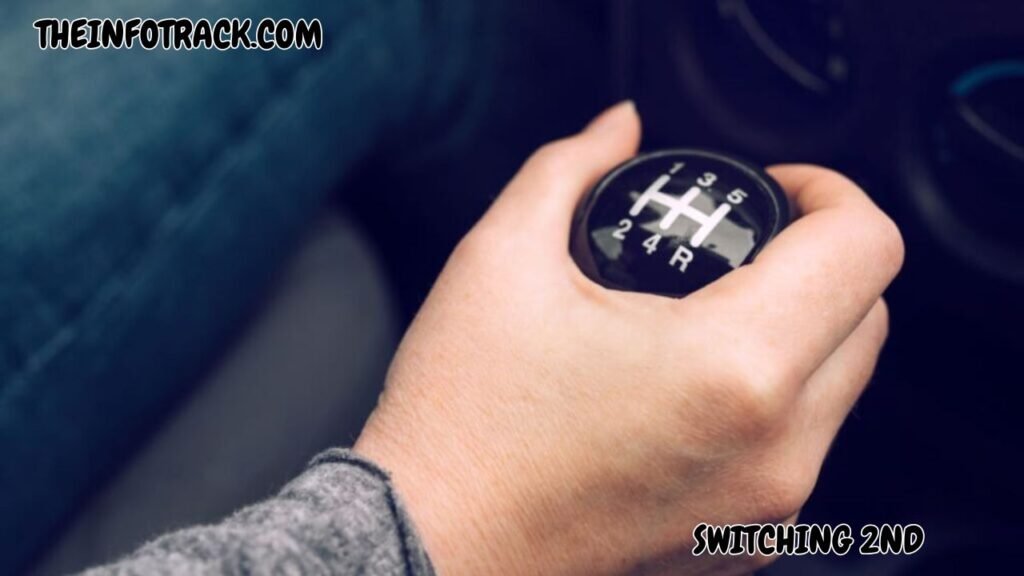
Outside of machines and driving, switching 2nd has become a metaphor used in everyday language. People use it to describe strategy changes, backup plans, and adaptive thinking.
When First Attempts Don’t Work
In planning or problem-solving, the first approach is rarely the final one. When the initial method stops being effective, switching 2nd means moving to a more suitable or more adaptive strategy. This can include:
- Adjusting plans in business
- Modifying study habits
- Changing communication style
- Reworking project approaches
- Pivoting in entrepreneurship
The meaning is simple: the first stage was only meant to get things started. Success often depends on shifting into a second, more refined approach.
The Power of the Second Stage
The second stage in strategy often includes:
- Better organization
- More confidence
- More data and understanding
- Improved planning or execution
- Ability to handle more complexity
First stages are usually filled with testing, experimentation, or learning. The second stage is where refinement and progress happen.
Why Humans Naturally Use the Concept
Humans shift modes constantly. When we change environments, tasks, or social settings, we adjust behavior without even thinking about it. Moments like switching from work mode to family mode, from polite tone to firm tone, or from cautious planning to active action all mirror switching 2nd.
Personal Adaptability and Behavioral Switching
In personal behavior, switching 2nd refers to adjusting your responses to better fit a situation. It’s a natural part of communication and emotional intelligence.
Everyday Situations Where Switching Occurs
You switch to a second mode when:
- You become more assertive after being too passive
- You become more calm after noticing rising tension
- You approach tasks with more focus when needed
- You change your tone when speaking to different people
- You move from thinking mode to action mode
These shifts are essential for maintaining balance, success, and healthy communication.
Why Adaptability Matters
Adaptability helps people avoid misunderstandings, improve relationships, and navigate complex situations. When someone understands how to adjust their tone, behavior, or approach, they are more successful in both personal and professional settings.
Switching 2nd as Mental Progression
Mentally, switching 2nd often means:
- Breaking out of hesitation
- Taking initiative
- Increasing effort after warming up
- Moving past fear or uncertainty
- Activating stronger focus
Just like shifting gears in a car, humans need to shift their internal gears to align with life’s changing speeds.
Benefits of Understanding Switching 2nd Across All Areas
Whether we are talking about driving, systems, or personal growth, switching 2nd plays a similar role: it helps maintain efficiency, improve performance, and allow progression.
Key Benefits Include:
- Improved efficiency
- Smooth transitions
- Better long-term performance
- Lower stress on systems or individuals
- Greater adaptability
- Reduced strain and wasted energy
- Higher levels of control and clarity
Understanding this concept helps people operate machinery better, drive safer, think smarter, and respond more effectively to real-life challenges.
Challenges People Face When Switching 2nd
Even though switching 2nd sounds simple, it can be challenging in different contexts.
In Driving
- Timing errors
- Poor coordination
- Fear of stalling
- Overthinking clutch and throttle movement
In Systems
- Mechanical delays
- Poor calibration
- Lack of automatic switching
- Overload before switching occurs
In Personal Development
- Hesitation to leave comfort zones
- Difficulty adjusting habits
- Emotional resistance
- Fear of making mistakes
Understanding these obstacles helps individuals improve gradually and confidently.
How to Get Better at Switching 2nd in Any Area
A person or system becomes better at switching 2nd by gaining awareness, practising transitions, studying patterns, and learning to move between stages smoothly.
Helpful Steps Include:
- Stay aware of timing
Recognize when the first stage is no longer effective. - Practise transitions
Whether shifting gears or shifting behaviors, repetition builds skill. - Understand the second stage clearly
Know what the next mode expects from you or the system. - Avoid rushing
Smooth transitions come from control, not speed. - Stay patient
Improvement comes day by day, shift by shift.
Final Thoughts
The phrase switching 2nd may look simple, but it carries deep meaning across multiple areas of life. Whether someone is learning to drive a manual car, managing a mechanical system, improving their behavior, or navigating strategy changes, switching 2nd represents a moment of progress. It’s the shift from initial effort to refined movement, from basic action to smoother performance.
Understanding this idea helps people operate more efficiently, think more clearly, and respond more effectively to the world around them. In every sense of the phrase, switching 2nd is about moving forward.
Also read: Schoology Alfa: A Complete Guide to Its Purpose, Features, and Role in Modern Learning