
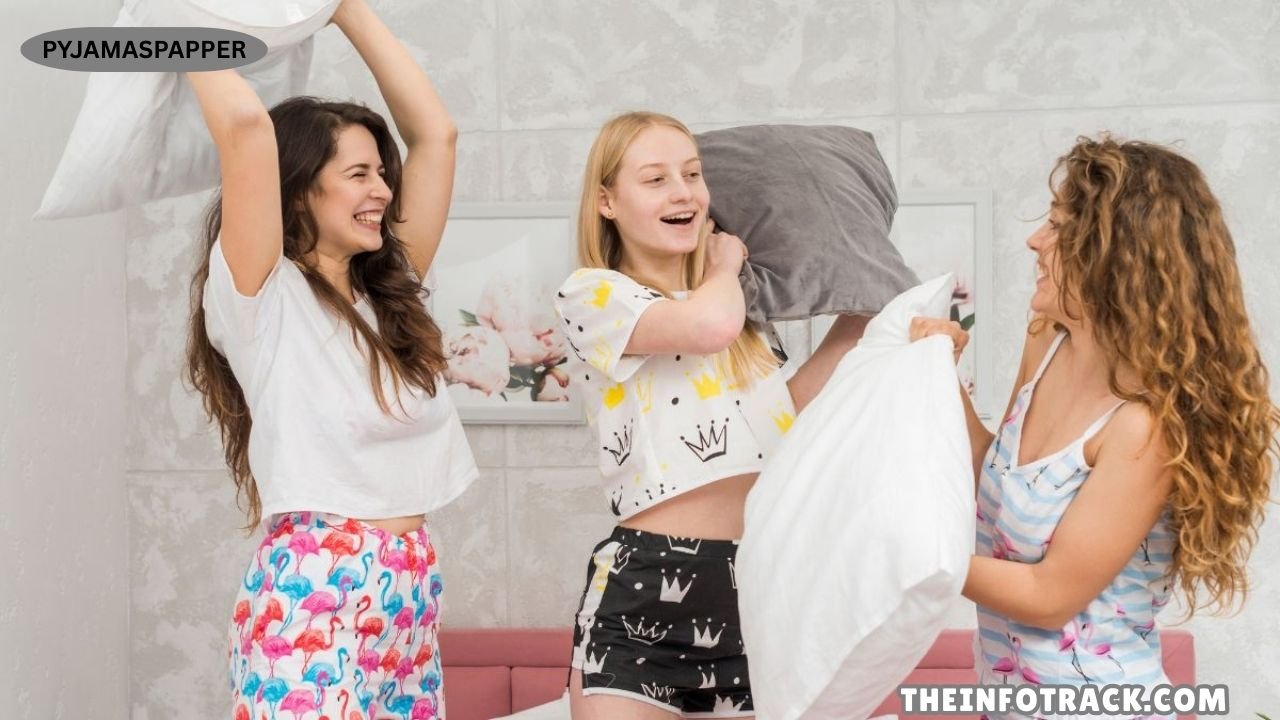
Pyjamaspapper is a distinctive term that relates to fabric materials used specifically for making pajamas and sleepwear. The word appears to combine “pyjamas” with “papper,” which in some Nordic contexts refers to fabric or textile material. In practical usage, pyjamaspapper can be understood as pajama fabric or textile prepared for nightwear production. As comfort-focused fashion continues to gain popularity, especially with the rise of home-based lifestyles and relaxed dress codes, pyjamaspapper has become increasingly relevant in textile and apparel industries. Modern consumers prioritize softness, breathability, durability, and skin-friendly materials when selecting sleepwear. This demand directly impacts the production and development of pyjamaspapper. Manufacturers constantly innovate to create fabrics that balance comfort and long-term quality. Whether used in large-scale fashion brands or small boutique clothing lines, pyjamaspapper represents the foundation of comfortable and functional sleepwear.
Understanding the Meaning and Composition of Pyjamaspapper
Pyjamaspapper primarily refers to fabric specifically selected or manufactured for pajamas. Unlike general clothing textiles, pyjamaspapper must meet higher comfort standards. The material should be soft against the skin, lightweight, and breathable. Because sleepwear is worn for extended periods, comfort is critical. Pyjamaspapper can be made from natural fibers, synthetic blends, or a combination of both. The term emphasizes functionality rather than decorative appeal alone. It focuses on materials that support restful sleep and relaxation. In textile terminology, fabric preparation often includes weaving, knitting, dyeing, and finishing processes that enhance texture and durability. Pyjamaspapper undergoes these processes to ensure smoothness and resistance to wear. The composition of pyjamaspapper plays a major role in determining how it feels, performs, and lasts over time.
Common Fabric Types Used in Pyjamaspapper
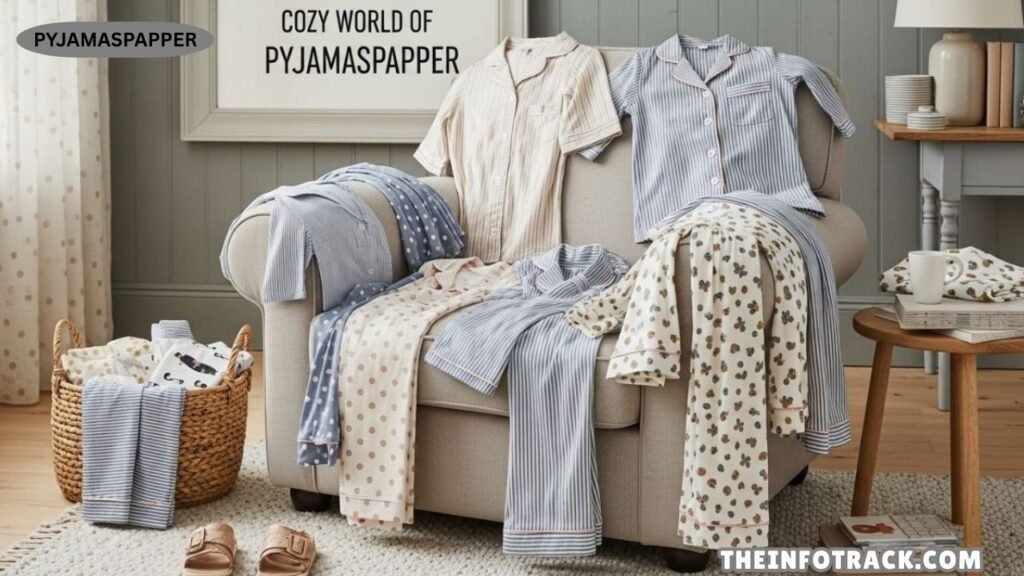
Several fabric types are commonly associated with pyjamaspapper. Cotton remains one of the most popular choices due to its breathability and softness. It absorbs moisture effectively and feels gentle on sensitive skin. Flannel is another well-known pyjamaspapper material, especially suitable for colder climates because of its warmth and cozy texture. Silk pyjamaspapper is valued for its luxurious feel and smooth finish, making it popular in premium sleepwear collections. Satin blends provide a glossy appearance and lightweight structure. Polyester and cotton-polyester blends are also widely used because they combine durability with comfort. Modal and bamboo-based fabrics have gained attention in recent years due to their eco-friendly appeal and exceptional softness. Each type of pyjamaspapper serves different consumer preferences and seasonal needs. Selecting the appropriate material depends on climate, personal comfort, and intended design.
Manufacturing Process of Pyjamaspapper
The production of pyjamaspapper involves multiple stages to ensure quality and performance. It begins with fiber selection, where manufacturers choose raw materials based on desired characteristics. Natural fibers like cotton are cleaned and spun into yarn, while synthetic fibers are engineered for specific strength and elasticity properties. The next stage involves weaving or knitting the yarn into fabric. Knitted pyjamaspapper tends to be stretchier and more flexible, while woven varieties offer structure and durability. After fabric formation, dyeing and finishing processes enhance color vibrancy and texture. Softening treatments are particularly important for pyjamaspapper to ensure skin comfort. Quality control inspections check for consistency in thickness, smoothness, and strength. The final product must meet comfort standards before being cut and sewn into sleepwear. Advanced technology in textile manufacturing has significantly improved the efficiency and quality of pyjamaspapper production.
Benefits of High-Quality Pyjamaspapper
High-quality pyjamaspapper offers numerous advantages for both manufacturers and consumers. The primary benefit is comfort. Soft and breathable fabrics improve sleep quality by regulating body temperature. Durable pyjamaspapper ensures longevity, reducing the need for frequent replacements. Skin sensitivity is another important factor. Hypoallergenic materials minimize irritation and enhance comfort for individuals with delicate skin. Additionally, well-manufactured pyjamaspapper maintains its shape and color even after repeated washing. This durability increases customer satisfaction and brand loyalty. For businesses, investing in premium pyjamaspapper enhances product reputation and market competitiveness. As comfort-driven fashion continues to grow, quality pyjamaspapper becomes a key differentiator in the sleepwear industry.
Seasonal Variations in Pyjamaspapper
Pyjamaspapper selection often varies by season. During summer months, lightweight and breathable fabrics such as cotton or bamboo-based materials are preferred. These fabrics allow airflow and prevent overheating. In contrast, winter collections typically feature flannel or thicker cotton blends to provide warmth and insulation. Transitional seasons may require medium-weight pyjamaspapper that balances comfort and temperature regulation. Manufacturers design seasonal collections to meet climate-specific needs. This adaptability ensures year-round demand for various types of pyjamaspapper. Understanding seasonal preferences helps brands plan inventory and production strategies effectively.
Sustainability and Eco-Friendly Trends in Pyjamaspapper
Sustainability has become a major trend in the textile industry. Many manufacturers now focus on eco-friendly pyjamaspapper options. Organic cotton, bamboo fibers, and recycled polyester blends are increasingly popular. These materials reduce environmental impact while maintaining comfort standards. Sustainable dyeing techniques and water-saving processes are also being adopted in pyjamaspapper production. Consumers are more aware of environmental concerns and prefer brands that demonstrate responsible sourcing. Ethical manufacturing practices enhance brand credibility and long-term market appeal. As environmental awareness continues to expand, sustainable pyjamaspapper will likely play an even greater role in the sleepwear industry.
Market Demand and Consumer Preferences for Pyjamaspapper
The global demand for comfortable homewear has significantly increased in recent years. Lifestyle changes, including remote work and relaxed dress codes, have influenced purchasing behavior. Consumers now prioritize comfort alongside style. Pyjamaspapper that combines softness, durability, and modern design meets these expectations. Online retail platforms have expanded access to diverse sleepwear options, further increasing demand. Customer reviews often highlight fabric quality as a deciding factor. Brands that emphasize premium pyjamaspapper materials in their marketing campaigns tend to gain competitive advantages. As comfort-focused fashion continues to dominate trends, the importance of quality pyjamaspapper remains central to product success.
Maintenance and Care for Pyjamaspapper

Proper care extends the lifespan of pyjamaspapper garments. Washing instructions vary depending on fabric type. Cotton-based pyjamaspapper generally tolerates machine washing, while silk and delicate blends may require gentle cycles or hand washing. Avoiding high heat during drying helps preserve fabric structure. Using mild detergents maintains softness and prevents color fading. Storing sleepwear in dry and clean environments protects the material from damage. By following recommended care guidelines, consumers can maintain the comfort and durability of their pyjamaspapper for extended periods.
Future Outlook of Pyjamaspapper in the Fashion Industry
The future of pyjamaspapper looks promising as comfort continues to shape fashion priorities. Innovations in fabric technology may introduce temperature-regulating and moisture-wicking features. Smart textiles integrated into pyjamaspapper could enhance sleep monitoring capabilities. Sustainable materials will likely dominate future collections as environmental responsibility becomes more important. Customization trends may allow consumers to select specific fabric blends according to personal preferences. As global markets expand, pyjamaspapper production will adapt to meet evolving consumer expectations. The combination of comfort, innovation, and sustainability ensures continued growth in this sector.
Conclusion: Why Pyjamaspapper Is Essential in Modern Sleepwear
Pyjamaspapper represents the foundation of comfortable and functional sleepwear. Its quality directly influences comfort, durability, and customer satisfaction. From cotton and flannel to silk and eco-friendly blends, various fabric options cater to diverse needs. Manufacturing processes emphasize softness and strength to ensure optimal performance. As consumer demand for comfort-driven fashion grows, pyjamaspapper remains a central component of the textile industry. By focusing on quality materials, sustainable practices, and innovative design, manufacturers and brands can continue to meet the evolving expectations of modern consumers.
Also read: Get Permalink from URL SEO Structure Complete Guide