
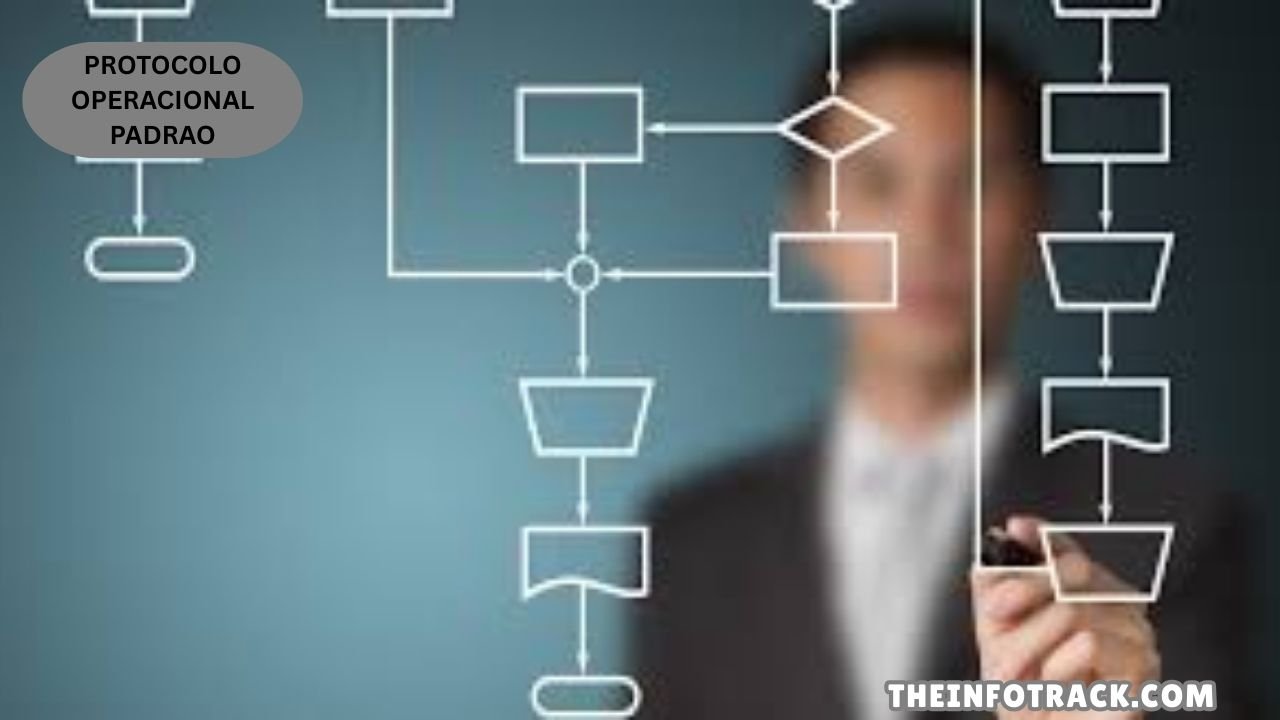
In any organization, consistency is the key to quality. Whether in healthcare, manufacturing, logistics, or office environments, tasks must be performed the same way every time to ensure safety, reliability, and predictable outcomes. That is exactly where a protocolo operacional padrão becomes essential.
The term protocolo operacional padrão, often abbreviated as POP, refers to a structured document that defines step-by-step procedures for completing specific tasks. It standardizes operations so that every team member follows the same method, reducing errors and improving performance. This concept is widely adopted across industries, especially in countries like Brazil, where POP documentation is common in both public and private sectors.
When people search for protocolo operacional padrão, they usually want to understand what it means, why it matters, and how to create one effectively. This comprehensive guide explains everything clearly — from definitions and benefits to real-world applications and implementation strategies. If you want to improve organization, safety, and efficiency, understanding the protocolo operacional padrão is a powerful first step.
What Is Protocolo Operacional Padrão?
A protocolo operacional padrão is essentially a formal instruction manual for routine activities. It describes exactly how a process should be carried out, who is responsible, which tools are required, and what safety precautions must be followed.
Instead of relying on memory or verbal instructions, organizations document procedures to eliminate confusion. Anyone reading the protocol can perform the task correctly, even if they are new to the role.
In simple terms, the protocolo operacional padrão answers three core questions:
• What needs to be done?
• How should it be done?
• Who is responsible for doing it?
By clearly defining these elements, the protocol ensures uniformity and reliability in daily operations.
Why Standard Operating Protocols Matter
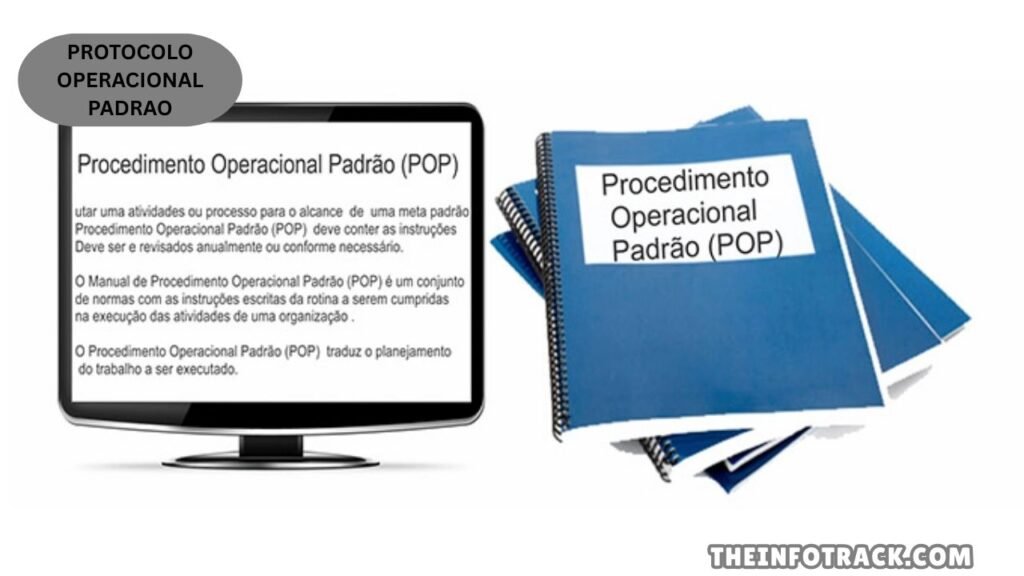
Without structure, operations can become inconsistent. Different employees might perform the same task in different ways, leading to mistakes, delays, or even safety hazards.
A protocolo operacional padrão solves this problem by creating clarity. Everyone follows the same method, which reduces misunderstandings and improves outcomes.
Standardization also saves time. Instead of repeatedly explaining tasks, managers simply refer to the documented procedure. Training becomes faster and more efficient.
Most importantly, protocols improve safety. When dealing with machinery, chemicals, or medical environments, following exact steps prevents accidents and protects both workers and customers.
Consistency isn’t just convenient — it’s critical.
Key Elements of a Protocolo Operacional Padrão
A well-structured protocolo operacional padrão typically includes several important components. Each section helps make the instructions clear and actionable.
First comes the objective. This explains the purpose of the procedure and what it aims to achieve.
Second is the scope. It defines where and when the protocol applies.
Third are responsibilities. This section identifies who performs each step.
Next come the step-by-step instructions. These are the core of the document and should be detailed yet easy to follow.
Safety measures are also essential. They outline risks and protective actions.
Finally, there may be references or attachments such as forms, checklists, or diagrams.
Together, these elements create a complete protocolo operacional padrão that anyone can understand and implement.
Industries That Use Protocolo Operacional Padrão
The usefulness of a protocolo operacional padrão extends across many sectors. Almost every industry benefits from standardized processes.
Healthcare facilities use POPs to ensure patient safety and hygiene. Medical teams follow precise procedures for treatments and sterilization.
Manufacturing companies rely on protocols to maintain quality control and prevent production errors.
Logistics operations use them to coordinate shipping, storage, and inventory management.
Laboratories depend on standardized procedures for testing accuracy and compliance.
Even offices use protocols for administrative tasks, customer service, and data handling.
Wherever repetition and precision exist, the protocolo operacional padrão adds value.
Benefits of Implementing Protocolo Operacional Padrão

There are many advantages to adopting a protocolo operacional padrão.
One major benefit is improved efficiency. Clear steps eliminate wasted time and reduce confusion.
Another is quality consistency. Tasks are performed the same way every time, producing reliable results.
Training becomes easier as new employees learn through documented instructions rather than trial and error.
Risk reduction is also significant. Safety protocols protect both workers and assets.
Finally, accountability improves. Defined responsibilities make it clear who handles each task.
Together, these benefits help organizations operate smoothly and professionally.
How to Create an Effective Protocolo Operacional Padrão
Creating a strong protocolo operacional padrão requires careful planning.
Start by identifying repetitive or critical tasks that need standardization.
Observe how experienced staff perform these tasks and document each step clearly.
Write instructions in simple language. Avoid unnecessary jargon.
Use bullet points or numbered lists for easy reading.
Test the protocol with team members to ensure it works in practice.
Update it regularly as processes or technologies change.
A good protocol evolves over time. Continuous improvement keeps it relevant and effective.
Common Mistakes to Avoid
Even with good intentions, some organizations create protocols that don’t work well.
One common mistake is overcomplicating the document. Long, confusing instructions discourage use.
Another issue is failing to update procedures when workflows change. Outdated information leads to errors.
Lack of employee involvement can also reduce effectiveness. Staff should help shape protocols since they perform the tasks daily.
To make the protocolo operacional padrão successful, keep it clear, practical, and collaborative.
The Future of Protocolo Operacional Padrão
Technology is transforming how protocols are managed. Instead of printed manuals, many organizations now use digital systems.
Electronic documents allow quick updates and instant sharing.
Mobile apps let employees access procedures directly on the job.
Automation tools track compliance and performance metrics.
These innovations make the protocolo operacional padrão more dynamic and accessible than ever before.
As workplaces become increasingly complex, structured procedures will remain essential for maintaining order and efficiency.
Final Thoughts on Protocolo Operacional Padrão
Ultimately, the protocolo operacional padrão is more than just paperwork. It’s a foundation for quality, safety, and productivity. By defining clear steps and responsibilities, organizations create stability and reduce uncertainty.
Whether in healthcare, industry, or administration, standardized procedures help teams work smarter and safer. They transform everyday tasks into reliable systems that anyone can follow.
If your goal is better performance and fewer mistakes, implementing a well-designed protocolo operacional padrão is one of the most effective strategies available.
Also read: Decreto Supremo 160 Explained – Timeline, Rules & Compliance Guide