
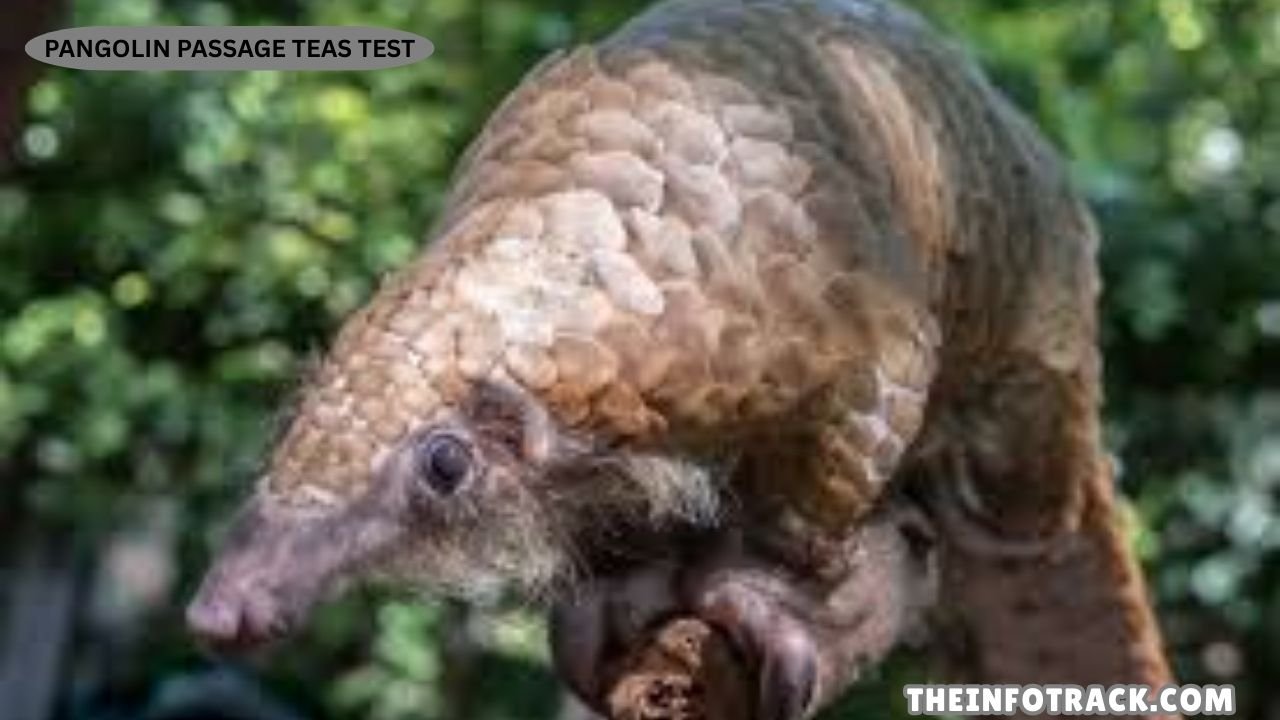
The keyword pangolin passage teas test is widely searched by students preparing for the TEAS (Test of Essential Academic Skills) exam, particularly those focusing on improving reading comprehension performance. The pangolin passage is commonly referenced as a practice reading example used to evaluate a student’s ability to analyze informational texts, identify main ideas, interpret vocabulary in context, and draw logical conclusions.
This detailed guide explains the purpose of the pangolin passage TEAS test, the reading skills it evaluates, strategies for answering related questions, and how students can successfully prepare for similar passages in the TEAS examination.
What Is the Pangolin Passage TEAS Test
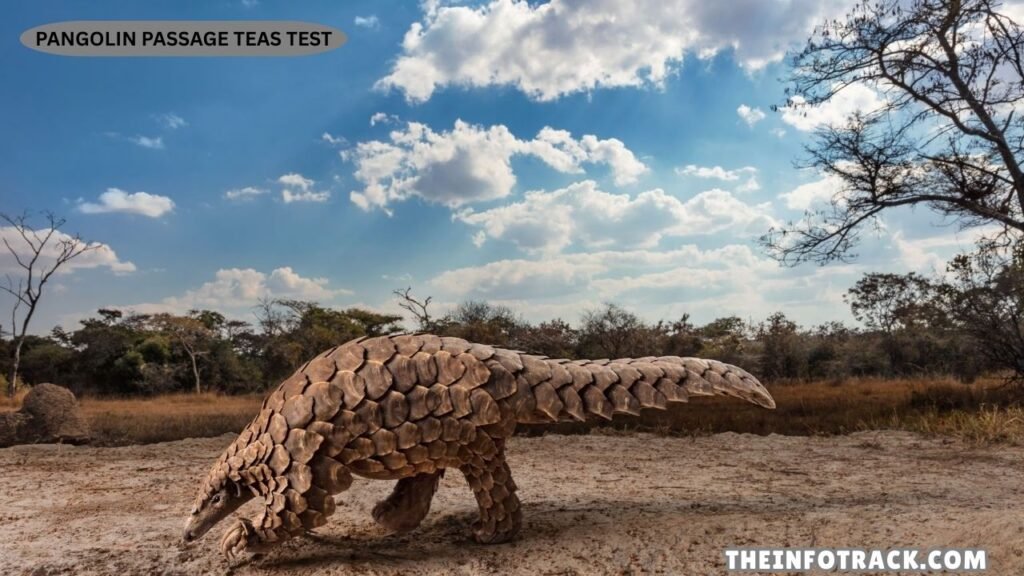
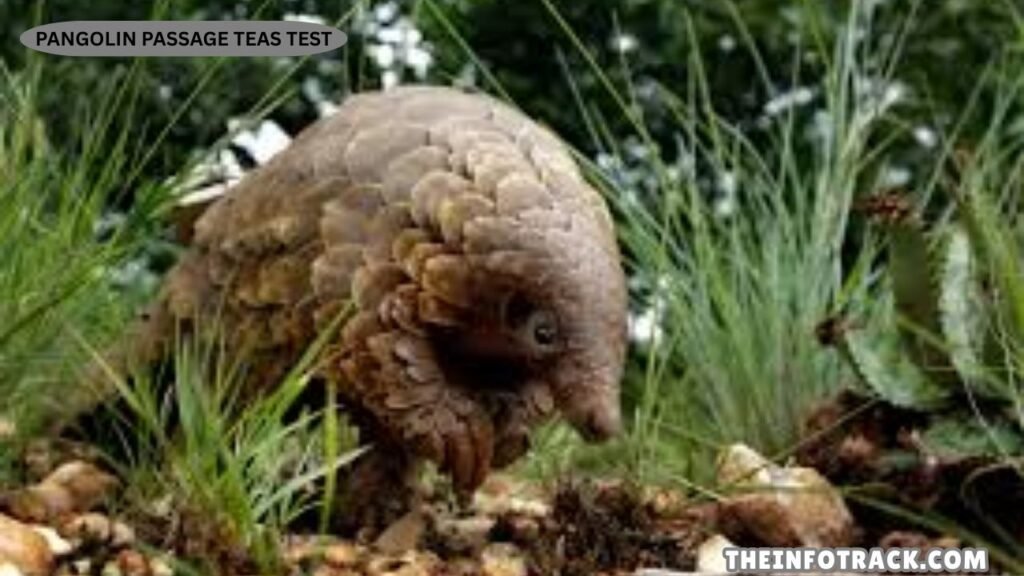
The pangolin passage TEAS test refers to a reading comprehension exercise centered on informational content about pangolins, a unique mammal species known for its protective scales and ecological importance. Within TEAS preparation materials, passages like this are designed to simulate real exam conditions.
Students are typically asked to:
- Identify the main idea of the passage
- Determine supporting details
- Interpret scientific vocabulary
- Understand author purpose and tone
- Make logical inferences
The passage itself is not about memorizing animal facts but about demonstrating comprehension skills under timed testing conditions.
Understanding the TEAS Reading Section
The TEAS exam evaluates academic readiness for healthcare and nursing programs. The reading section specifically measures how well students can process written information quickly and accurately.
Common reading question categories include:
- Key ideas and details
- Craft and structure
- Integration of knowledge and ideas
- Evidence-based reasoning
The pangolin passage TEAS test fits perfectly into these categories because it combines scientific explanation with descriptive informational writing.
Why Pangolins Are Used in TEAS Practice Passages
Educational testing materials often use unfamiliar topics to ensure fairness among students. Pangolins are ideal because many test-takers have limited prior knowledge about them.
This forces students to rely on:
- Careful reading
- Context clues
- Logical reasoning
- Text-based evidence
Rather than background knowledge, success depends entirely on comprehension ability.
Skills Tested in the Pangolin Passage TEAS Test
Main Idea Identification
Students must recognize the central message of the passage. In most pangolin-related texts, the main idea focuses on conservation challenges, biological traits, or environmental importance.
Supporting Details Recognition
Questions may ask which sentence best supports the author’s claim or explains a scientific concept mentioned in the passage.
Vocabulary in Context
Scientific words such as habitat, endangered, adaptation, or nocturnal are often included. Students must determine meaning using surrounding sentences rather than memorization.
Inference and Conclusion
Test questions frequently require readers to infer information not directly stated but logically implied.
Author’s Purpose
Students may need to determine whether the author aims to inform, explain, or raise awareness about wildlife conservation.
Common Question Types in Pangolin Passage TEAS Test
Students preparing for this passage often encounter questions such as:
- What is the main idea of the passage?
- Which detail supports the author’s argument?
- What does a specific word mean in context?
- Why did the author include a particular example?
- What conclusion can be drawn from the information provided?
Understanding these patterns significantly improves performance.
Effective Strategies to Answer Pangolin Passage Questions
Read the Questions First
Previewing questions helps identify important information while reading.
Focus on Topic Sentences
Most paragraphs introduce their main idea early, making them valuable for quick comprehension.
Avoid Outside Knowledge
Only answers supported directly by the passage are correct.
Use the Process of Elimination
Removing clearly incorrect options increases accuracy even when unsure.
Manage Time Carefully
The TEAS reading section is timed, so avoid rereading unnecessarily.
Common Mistakes Students Make
Many students struggle with passages like the pangolin passage TEAS test because they:
- Overthink simple questions
- Choose answers based on assumptions
- Ignore textual evidence
- Spend too much time on one question
- Misinterpret scientific vocabulary
Recognizing these mistakes helps students develop stronger test-taking habits.
Practice Techniques for TEAS Reading Success
To master passages similar to the pangolin reading, students should:
- Practice informational science articles
- Summarize paragraphs in one sentence
- Highlight key facts during reading
- Improve vocabulary recognition skills
- Take timed reading quizzes regularly
Consistent exposure to nonfiction passages builds confidence and speed.
Importance for Nursing and Healthcare Students
Healthcare education requires strong reading comprehension because students must interpret medical texts, patient documentation, and research studies accurately.
The pangolin passage TEAS test indirectly prepares students for:
- Medical textbook reading
- Clinical instruction interpretation
- Evidence-based decision-making
- Scientific literacy
Therefore, mastering such passages supports long-term academic success beyond the entrance exam.
How the Pangolin Passage Reflects Real TEAS Difficulty
The TEAS exam intentionally balances readability with analytical difficulty. While the pangolin topic may appear simple, questions often require deeper reasoning.
Students must:
- Distinguish fact from opinion
- Analyze paragraph relationships
- Understand cause-and-effect explanations
- Interpret data logically
These skills mirror real academic reading expectations.
Final Thoughts on Pangolin Passage TEAS Test Preparation
The pangolin passage teas test serves as an excellent example of how the TEAS exam measures reading comprehension rather than subject expertise. Success depends on analytical reading, attention to detail, and evidence-based reasoning.
By practicing structured strategies, avoiding assumptions, and focusing on textual clues, students can significantly improve their TEAS reading scores. Preparation using passages like this strengthens both exam performance and future academic readiness in healthcare programs.
Also read: Detroit Lions vs Los Angeles Chargers Match Player Stats Full Game Analysis