

phrase Norwegian Woodworking represents far more than the act of shaping wood. It reflects centuries of tradition, cultural identity, and a deep relationship between people and nature. In Norway, woodworking developed not only as a practical skill but as a form of expression rooted in survival, creativity, and respect for natural resources.
Interest in Norwegian Woodworking continues to grow as people seek authenticity, sustainability, and handmade quality in a modern world dominated by mass production. This article explores Norwegian Woodworking in depth, focusing on its history, philosophy, techniques, cultural role, and why it remains relevant today.
Origins of Norwegian Woodworking
Norwegian Woodworking emerged from necessity. Harsh climates and limited resources required practical solutions for shelter, tools, and daily life. Wood became the most accessible and versatile material.
Early Norwegian Woodworking focused on functionality, but over time it evolved into an art form. Craftsmanship was passed from generation to generation, preserving techniques that balanced durability with beauty.
The origins of Norwegian Woodworking reflect resilience and ingenuity.
The Relationship Between Nature and Norwegian Woodworking
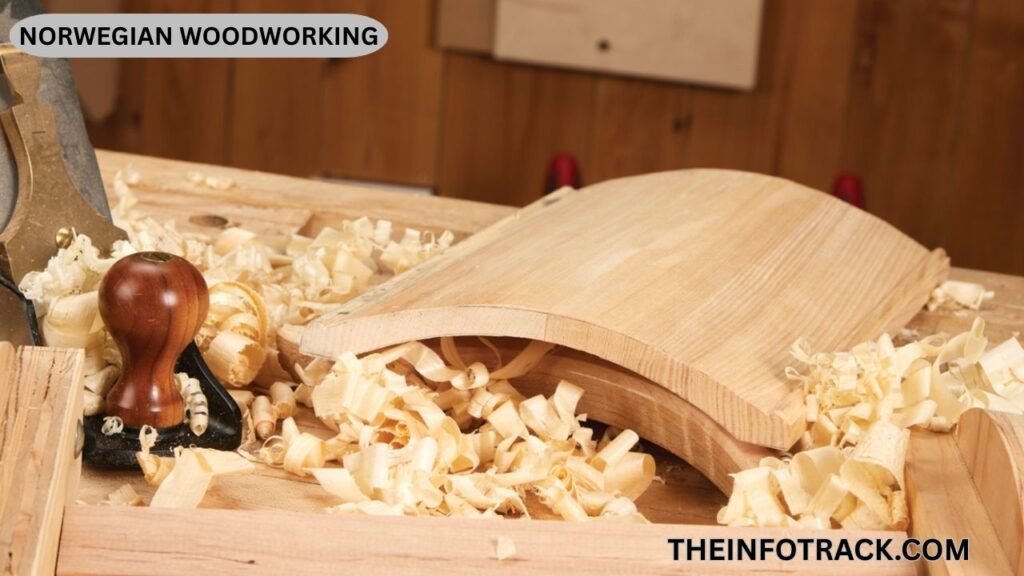
Nature plays a central role in Norwegian Woodworking. Forests provided materials, but they also inspired design and philosophy.
Woodworkers developed a deep respect for the land, using materials thoughtfully and avoiding waste. This relationship shaped a woodworking tradition grounded in sustainability long before the concept became global.
Norwegian Woodworking reflects harmony with nature.
Traditional Materials in Norwegian Woodworking
Wood selection has always been critical in Norwegian Woodworking. Craftspeople learned to understand the qualities of different woods, choosing materials based on strength, flexibility, and longevity.
This knowledge ensured that objects could withstand time and environment. Material awareness remains a defining feature of Norwegian Woodworking.
Understanding wood is foundational to the craft.
Tools and Handcraft Techniques
Traditional Norwegian Woodworking relies heavily on hand tools. Precision, patience, and skill are emphasized over speed.
Handcraft techniques allow the woodworker to respond to the material’s natural character. Each piece becomes unique, shaped by both intention and material behavior.
Tools are extensions of craftsmanship.
Functional Design in Norwegian Woodworking
Functionality is a defining principle of Norwegian Woodworking. Objects were created to serve daily needs, from furniture to storage to architectural elements.
Design choices were driven by use, not decoration alone. Beauty emerged from proportion, balance, and purpose.
Function gives form meaning.
Decorative Elements and Artistic Expression
Although practical, Norwegian Woodworking also embraces decoration. Carving and detailing express creativity, identity, and symbolism.
Decorative elements often reflect nature, heritage, and storytelling. These details transform functional objects into cultural artifacts.
Art and utility coexist.
Norwegian Woodworking and Cultural Identity
Norwegian Woodworking is deeply tied to cultural identity. It reflects values such as independence, craftsmanship, and respect for tradition.
Woodworking skills were often associated with pride and self-sufficiency. The craft became a marker of heritage and belonging.
Culture lives through craftsmanship.
Knowledge Passed Through Generations
One of the strengths of Norwegian Woodworking is generational knowledge transfer. Techniques and values were taught through practice, not just instruction.
This continuity preserved authenticity and skill integrity. Each generation added refinement while honoring tradition.
Learning was experiential and communal.
Architecture and Norwegian Woodworking
Norwegian Woodworking influenced architectural traditions, especially in wooden structures. Craftsmanship ensured buildings were durable and suited to climate conditions.
Architectural woodworking reflects both structural knowledge and aesthetic sensitivity.
Built environments showcase craft mastery.
Norwegian Woodworking and Sustainability
Sustainability is inherent in Norwegian Woodworking. Efficient material use and long-lasting design reduce waste.
This approach aligns naturally with modern sustainability values. Norwegian Woodworking demonstrates how traditional practices support environmental responsibility.
Longevity replaces disposability.
Modern Appreciation of Norwegian Woodworking
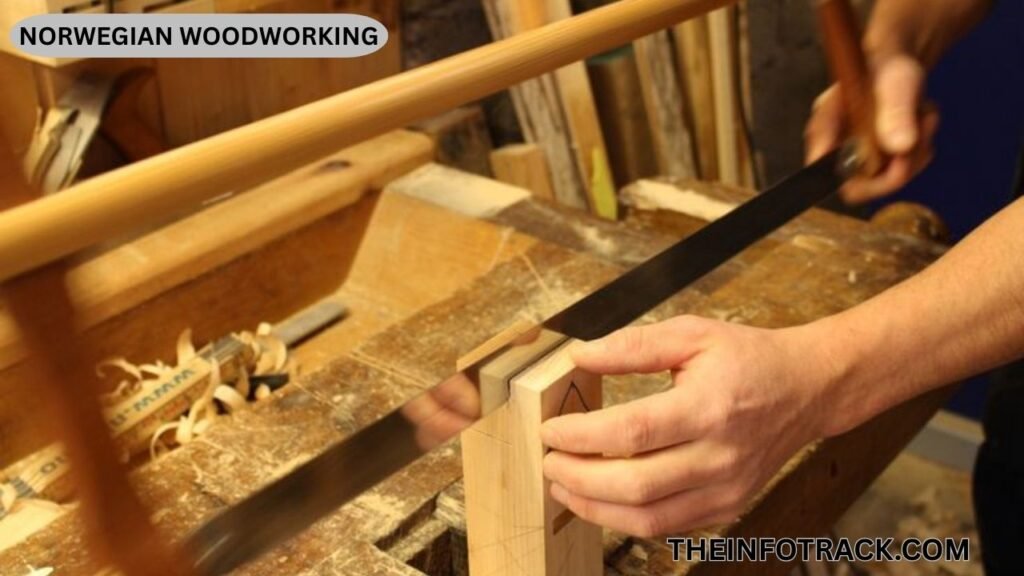
Modern audiences increasingly appreciate Norwegian Woodworking for its authenticity and quality. Handmade craftsmanship offers contrast to industrial production.
People value the story behind objects and the human connection involved in their creation.
Appreciation grows through awareness.
Norwegian Woodworking in Contemporary Design
Contemporary design often draws inspiration from Norwegian Woodworking. Clean lines, natural materials, and functional elegance influence modern aesthetics.
Traditional principles adapt to new contexts without losing identity.
Tradition informs innovation.
The Role of Patience and Skill
Patience is essential in Norwegian Woodworking. The craft values careful execution over haste.
Skill develops through repetition and observation. Mastery is earned gradually.
Time shapes quality.
Why Norwegian Woodworking Feels Timeless
Norwegian Woodworking feels timeless because it prioritizes enduring values: quality, function, and respect for materials.
Trends change, but well-made objects remain relevant.
Timelessness comes from integrity.
Emotional Connection to Handmade Objects
Handmade objects carry emotional weight. Norwegian Woodworking creates items that feel personal and meaningful.
People form attachments to objects crafted with care.
Emotion strengthens value.
Norwegian Woodworking and Community Life
Woodworking historically played a role in community life. Shared skills supported collective resilience.
Communities benefited from collaboration and shared knowledge.
Craft strengthened social bonds.
Why Norwegian Woodworking Still Matters Today
Norwegian Woodworking matters because it offers an alternative to disposable culture. It emphasizes care, longevity, and responsibility.
These values resonate strongly in contemporary society.
Relevance grows with awareness.
Norwegian Woodworking as a Learning Path
Learning Norwegian Woodworking teaches more than technique. It instills patience, respect, and problem-solving skills.
The process encourages mindfulness and focus.
Learning becomes holistic.
Craftsmanship and Personal Satisfaction
Craftsmanship provides personal satisfaction. Norwegian Woodworking allows creators to see tangible results of their effort.
This satisfaction reinforces commitment to quality.
Fulfillment comes from making.
Norwegian Woodworking and Minimalism
Minimalism aligns naturally with Norwegian Woodworking. Clean forms and purposeful design avoid excess.
Simplicity highlights craftsmanship.
Less becomes more.
The Role of Storytelling in Norwegian Woodworking
Every piece of Norwegian Woodworking tells a story. It reflects materials, maker, and purpose.
Storytelling adds depth and meaning.
Objects carry narratives.
Why People Seek Norwegian Woodworking
People seek Norwegian Woodworking for authenticity, sustainability, and beauty. It represents values missing from mass production.
Search interest reflects changing priorities.
Meaning drives demand.
Preserving Norwegian Woodworking Traditions
Preservation requires education, practice, and appreciation. Norwegian Woodworking survives through continued engagement.
Respect for tradition ensures continuity.
Preservation sustains culture.
Norwegian Woodworking and Global Influence
Norwegian Woodworking influences global craft movements. Its principles inspire artisans beyond Norway.
Global interest expands appreciation.
Craft transcends borders.
The Future of Norwegian Woodworking
The future of Norwegian Woodworking lies in balance—honoring tradition while adapting to modern needs.
Innovation guided by tradition ensures relevance.
The craft continues to evolve.
Conclusion: The Enduring Legacy of Norwegian Woodworking
Norwegian Woodworking represents a powerful blend of tradition, skill, and cultural identity. Rooted in necessity and refined through generations, it stands as a testament to human creativity and respect for nature.
Its continued relevance reflects a growing desire for meaningful, sustainable craftsmanship. Norwegian Woodworking offers more than objects; it offers values, stories, and connection.
As long as people value quality, patience, and authenticity, Norwegian Woodworking will remain a timeless and inspiring craft.
Also read: Uni Avenue: Campus Culture, Student Life, and Why Uni Avenue Matters