

The term Norfolk Southern mainframe has gained attention among professionals, researchers, and technology-focused users interested in how large transportation companies manage massive volumes of data and mission-critical operations. In the modern railroad industry, where safety, logistics, scheduling, and compliance must operate flawlessly, mainframe systems continue to play a foundational role.
This in-depth article explores the Norfolk Southern mainframe from a conceptual and operational perspective. It explains what a mainframe is, why a major railroad organization relies on it, how it supports daily operations, and why such systems remain essential even in an era of cloud computing and distributed platforms.
Understanding Norfolk Southern as an Enterprise
Norfolk Southern is one of the largest freight railroad operators in North America. Its network spans thousands of miles of track, supporting the transportation of goods across multiple states and regions. Managing this scale requires robust, secure, and highly reliable information systems.
The Norfolk Southern mainframe exists within this enterprise context. It is not a standalone tool, but a core component of a larger digital ecosystem that supports transportation logistics, employee operations, financial systems, and regulatory compliance.
What Is a Mainframe System?
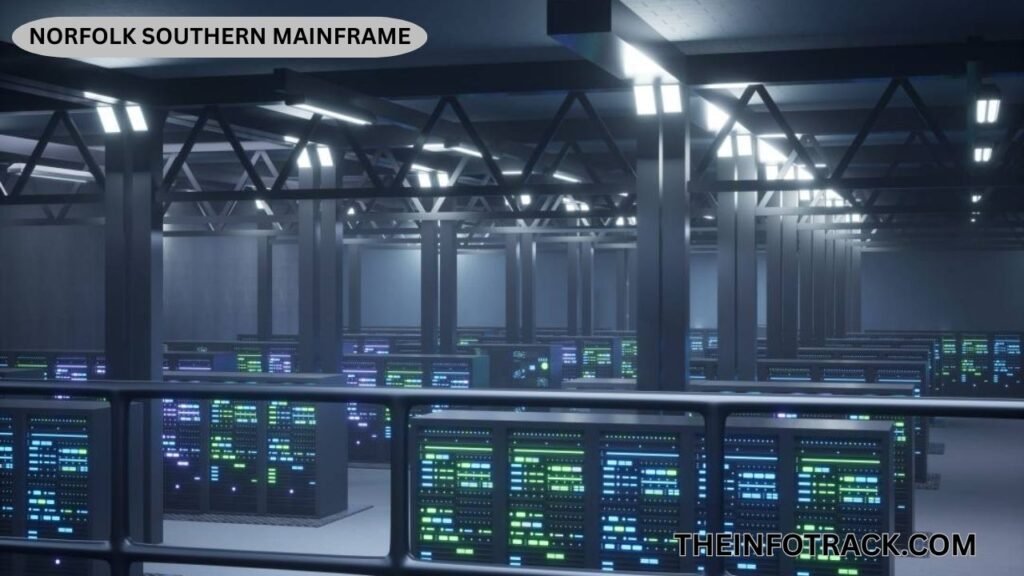
To understand the Norfolk Southern mainframe, it is important to understand what a mainframe system is. A mainframe is a high-performance computer designed to process extremely large volumes of data with maximum reliability, security, and uptime.
Mainframes are commonly used by:
Transportation companies
Banks and financial institutions
Government agencies
Insurance providers
Their primary strengths are stability, transaction processing, and the ability to support thousands of simultaneous users without failure.
Why Norfolk Southern Uses a Mainframe
Railroad operations demand precision. Trains must run on exact schedules, cargo must be tracked continuously, and safety systems must operate without interruption. The Norfolk Southern mainframe supports these requirements by providing a centralized, resilient computing environment.
Unlike smaller systems that may experience downtime or performance degradation, mainframes are built to operate continuously. This reliability is critical for an organization where even brief system outages can disrupt large-scale logistics.
Core Functions of the Norfolk Southern Mainframe
The Norfolk Southern mainframe supports a wide range of enterprise functions. While exact system details are not publicly disclosed, mainframes in railroad environments typically handle:
Train scheduling and dispatch coordination
Freight tracking and shipment data
Crew management and labor systems
Billing and revenue processing
Maintenance records and asset management
These functions require constant availability and accurate data processing, both of which are strengths of mainframe technology.
Mainframe Role in Train Operations and Logistics
One of the most critical aspects of the Norfolk Southern mainframe is its role in logistics. Railroads move vast quantities of freight daily, and each shipment generates data points related to origin, destination, timing, weight, and routing.
The mainframe acts as a central hub where this information is processed, stored, and updated in real time. This allows Norfolk Southern to maintain visibility across its network and make operational decisions efficiently.
Safety and Compliance Systems
Safety is paramount in railroad operations. The Norfolk Southern mainframe contributes indirectly to safety by ensuring that operational data is accurate, consistent, and available to authorized systems.
Regulatory compliance also depends on reliable record-keeping. Mainframe systems excel at maintaining historical data, audit trails, and compliance reports, which are essential in heavily regulated industries like rail transportation.
Mainframe Reliability and Uptime
A defining feature of the Norfolk Southern mainframe is reliability. Mainframes are designed for near-continuous operation, often achieving uptime levels measured in years rather than days or weeks.
For a railroad company, this reliability means:
Fewer service disruptions
Consistent access to operational data
Reduced risk of cascading failures
High confidence in mission-critical systems
This level of stability is difficult to replicate with less centralized systems.
Security and Data Protection
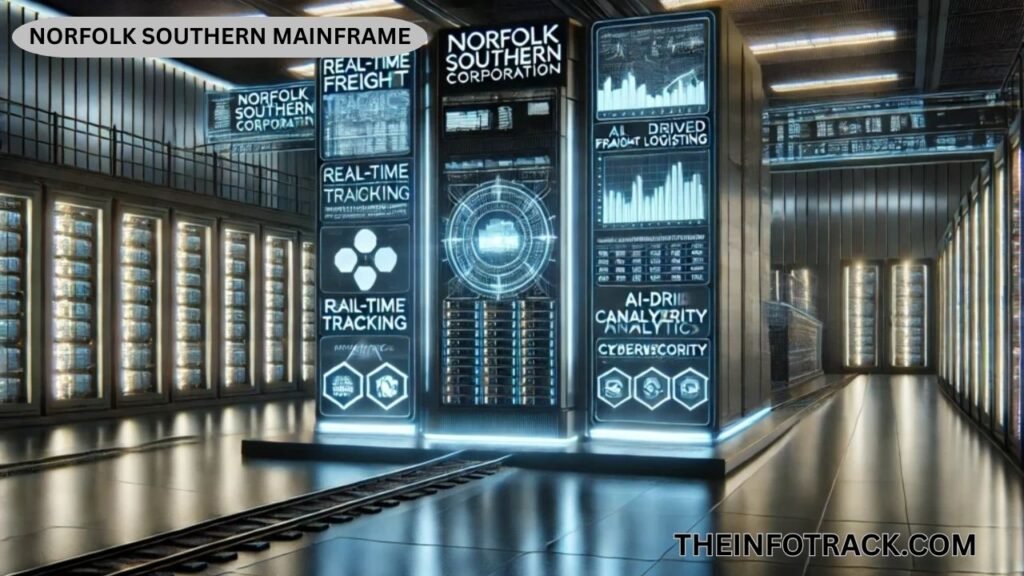
Security is another reason the Norfolk Southern mainframe remains relevant. Mainframes are known for robust access controls, encryption capabilities, and isolation of critical processes.
Sensitive data related to operations, employees, and customers must be protected from unauthorized access. The mainframe environment allows fine-grained control over who can access what data and under what conditions.
Integration With Modern Technologies
A common misconception is that mainframes are outdated. In reality, the Norfolk Southern mainframe likely operates alongside modern systems, including cloud platforms, web applications, and distributed databases.
Mainframes often serve as the system of record, while newer technologies provide user interfaces and analytics layers. This hybrid approach combines the reliability of mainframes with the flexibility of modern software.
Mainframe and Data Consistency
Data consistency is critical in railroad operations. Conflicting information about train locations, schedules, or cargo can lead to delays or safety issues.
The Norfolk Southern mainframe helps maintain a single, authoritative source of truth. By centralizing core data processing, it reduces discrepancies and ensures that all connected systems operate on consistent information.
Workforce and Skill Requirements
Operating and maintaining a mainframe requires specialized expertise. The Norfolk Southern mainframe is likely supported by experienced IT professionals with skills in enterprise systems, data management, and system integration.
While mainframe skill sets are more specialized, they are highly valued due to the complexity and importance of these systems. Training and knowledge transfer play a key role in sustaining long-term operations.
Mainframe Use in Financial and Billing Systems
Railroad billing involves complex pricing models, contracts, and transactions. The Norfolk Southern mainframe supports high-volume transaction processing, ensuring accurate billing and revenue tracking.
Mainframes are particularly effective at handling large numbers of financial transactions with strict accuracy requirements, making them ideal for enterprise finance systems.
Disaster Recovery and Business Continuity
Business continuity is essential for critical infrastructure providers. Mainframe systems are designed with redundancy, backup, and recovery capabilities that support rapid restoration in the event of disruptions.
The Norfolk Southern mainframe likely plays a central role in disaster recovery planning, ensuring that operations can resume quickly after unforeseen events.
Why Mainframes Still Matter in Railroads
Despite advances in cloud computing, mainframes remain relevant for organizations like Norfolk Southern. Their strengths align perfectly with the needs of large-scale, safety-critical operations.
Mainframes provide:
Predictable performance
Proven reliability
Strong security
Long-term stability
These qualities are difficult to replace entirely with newer technologies.
Common Misunderstandings About Mainframes
Some assume mainframes are obsolete or inflexible. In reality, modern mainframes support contemporary programming languages, APIs, and integration frameworks.
The Norfolk Southern mainframe is not a relic but a continuously evolving system that adapts to changing business needs.
Operational Efficiency and Cost Considerations
While mainframes require significant investment, they often reduce long-term operational costs by minimizing downtime, errors, and inefficiencies.
For an organization the size of Norfolk Southern, the cost of system failure far outweighs the investment in maintaining a reliable mainframe environment.
Digital Transformation and Mainframes
Digital transformation does not mean abandoning mainframes. Instead, it often involves modernizing how mainframes interact with other systems.
The Norfolk Southern mainframe likely participates in digital transformation by supporting APIs, data feeds, and analytics tools that enhance decision-making.
Future Outlook of Norfolk Southern Mainframe
Looking ahead, the Norfolk Southern mainframe will likely continue to evolve rather than disappear. Enhancements may focus on improved integration, automation, and performance optimization.
As long as railroads require uninterrupted, large-scale data processing, mainframes will remain a strategic asset.
Broader Industry Context
Norfolk Southern is not unique in relying on mainframes. Many transportation and logistics organizations around the world continue to use similar systems for the same reasons.
This shared approach reflects industry-wide recognition of mainframe strengths.
Importance for Researchers and Professionals
For IT professionals and researchers, the Norfolk Southern mainframe represents a real-world example of enterprise computing at scale. It demonstrates how legacy and modern systems coexist in mission-critical environments.
Understanding such systems provides valuable insight into enterprise architecture and operational resilience.
Key Takeaways About Norfolk Southern Mainframe
The Norfolk Southern mainframe is best understood as:
A central enterprise computing system
A backbone for logistics and operations
A security-focused data platform
A long-term reliability solution
It supports the complexity and scale of modern railroad operations.
Conclusion on Norfolk Southern Mainframe
The Norfolk Southern mainframe remains a vital component of one of North America’s largest railroad networks. Far from being outdated, it provides the reliability, security, and processing power required for large-scale transportation operations.
By supporting logistics, safety, finance, and compliance, the Norfolk Southern mainframe demonstrates why mainframe technology continues to play a critical role in modern enterprise systems. Its presence reflects a strategic balance between proven infrastructure and evolving digital innovation.
Also read: Gautam Kitchlu – Biography, Business Career, Personal Life, and Rise as a Modern Entrepreneur