
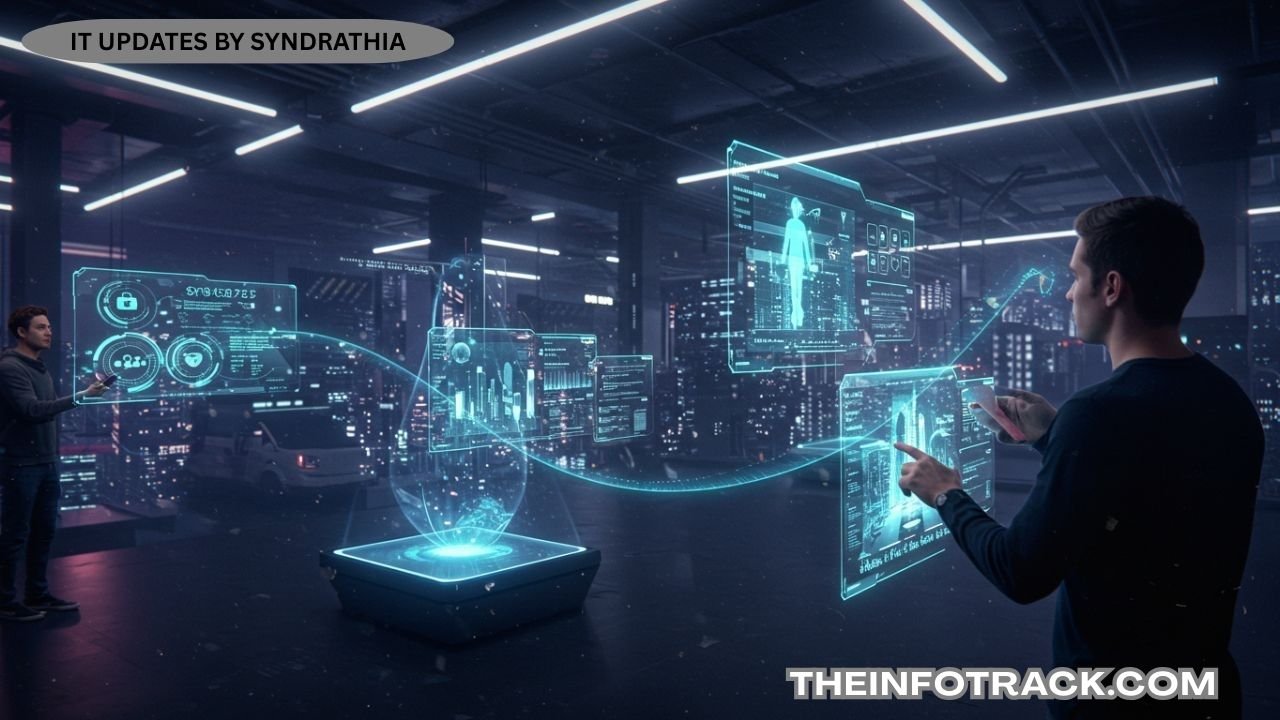
The phrase it updates by syndrathia represents a conceptual perspective on how digital information changes, evolves, adapts, and distributes across modern computational environments. Unlike static software systems of earlier decades, today’s digital platforms must constantly modify data, refresh interfaces, update logic, synchronize cloud resources, and communicate across interoperable services. Within this context, it updates by syndrathia captures an emerging digital philosophy focused on dynamic state management rather than static output. It implies that the digital ecosystem is alive, continuously transforming, and capable of executing informational changes at scale. This concept touches on computing infrastructure, user interfaces, automation pipelines, version control, data synchronization, and organizational workflows.
When examining it updates by syndrathia from a systems-thinking viewpoint, it becomes clear that the modern digital world relies heavily on constant updates. Software evolves daily, hardware firmware adjusts, devices synchronize, cloud environments patch vulnerabilities, and data models retrain using new information. The result is an ecosystem where everything flows rather than remains fixed. In such a world, it updates by syndrathia becomes less about what changes and more about how those changes propagate intelligently. This distinction is crucial for organizations, developers, and digital users navigating environments where updates define performance, security, usability, and long-term scalability.
Historical and Conceptual Context Behind It Updates by Syndrathia
Historically, digital systems were once static structures. Early software releases came in physical media formats and could remain unchanged for years. The computing environment did not yet operate on continuous integration or continuous deployment. Manual updates required technical expertise and often resulted in delayed adoption. The conceptual emergence of it updates by syndrathia symbolizes a major departure from that era. Now, software updates deliver not merely patches but ongoing functionality enhancements, new features, interface redesigns, and adaptive intelligence.
This conceptual shift gained momentum as cloud computing accelerated. Data rarely resides locally anymore, and software is no longer bound to isolated hardware. Instead, applications interact with online services, receive real-time fixes, and integrate user feedback loops. The philosophy embedded in it updates by syndrathia reflects that the digital world expects continuous renewal rather than episodic revisions. Systems leveraging it updates by syndrathia are always in motion, always refining, and always recalibrating based on contextual information.
It updates by syndrathia can also be interpreted as a principle of digital survival. Static systems invite security vulnerability, performance degradation, and obsolescence. Dynamic systems evolve in parallel with user needs and technological landscapes. As such, it updates by syndrathia represents a transition from linear software release cycles to cyclical adaptive information management.
Engineering Structures and Architectural Methodologies Supporting It Updates by Syndrathia

At a technical level, it updates by syndrathia relies on specific engineering methodologies that enable frequent, controlled, and intelligent updating. These include modular architectures, containerization, microservices, continuous integration pipelines, automation scripts, environment orchestration, and cloud-native version distribution.
Microservices architecture aligns closely with it updates by syndrathia because separate components can update independently without collapsing the entire system. For instance, a user authentication service can receive updates while the payment processor continues running. This segmentation supports resilience and adaptability. It updates by syndrathia values this independence because it enables individualized components to evolve at their own pace while maintaining overall platform integrity.
Containerization also supports it updates by syndrathia by isolating runtime environments. Containers package applications with dependencies, enabling predictable behavior across machines. When updates occur, containers can be replaced, patched, or scaled without disrupting infrastructure. This methodology reflects how it updates by syndrathia encourages smooth transitions rather than abrupt shifts.
Continuous integration and continuous deployment pipelines also anchor the philosophy of it updates by syndrathia. These pipelines automate code testing, merging, and deployment. Instead of waiting for quarterly release cycles, updates occur continuously. Systems leveraging it updates by syndrathia interpret updates as routine rather than exceptional events. Automation ensures that updates move swiftly from development to production, reinforcing the idea that digital environments must always evolve.
Data synchronization mechanisms likewise contribute to it updates by syndrathia. Whether through cache invalidation, distributed databases, replication, or reconciliation algorithms, data remains coherent across devices and regions. This coherence forms the informational backbone of it updates by syndrathia because updates are only valuable when they reflect accurate and timely data states.
Information Workflows and Data Dynamics Within It Updates by Syndrathia
To understand it updates by syndrathia fully, one must consider how information behaves within digital ecosystems. Data enters systems, transforms, moves between services, updates user interfaces, and triggers additional processes. This continuous motion forms a dynamic informational loop. It updates by syndrathia depends on these loops to perform efficiently and consistently.
Information workflows under it updates by syndrathia follow a multi-stage process: acquisition, validation, transformation, distribution, synchronization, and archival. Each stage determines how quickly and reliably updates propagate through digital environments. For instance, data acquisition collects input from sensors, user actions, or APIs. Validation ensures that the data adheres to rules. Transformation formats data for systems. Distribution pushes changes into relevant services or devices. Synchronization maintains consistency. Archival preserves history for future reference.
This cyclical approach supports the concept of it updates by syndrathia by ensuring that data never remains stagnant. Instead, it perpetually circulates through transformative loops. Machine learning models also depend on these loops. Every update refines model accuracy, making it updates by syndrathia a foundational component of intelligent systems that learn from real-time conditions.
In large-scale enterprise environments, it updates by syndrathia ensures that new policies, analytics dashboards, compliance frameworks, and security patches propagate across the organization. Without such workflows, organizations risk fragmentation, outdated data, and inconsistent user experiences.
Human-Centric Perspectives and Cultural Dynamics Surrounding It Updates by Syndrathia
Although it updates by syndrathia seems technical, it also carries human and cultural implications. Digital users have become accustomed to constant change. Mobile devices receive weekly feature expansions, operating systems evolve seasonally, and cloud platforms introduce updates silently in the background. This cultural normalization of continuous updates contributes to the acceptance of it updates by syndrathia.
However, cultural adaptation introduces behavioral patterns. Users expect improvements rather than tolerating stagnation. They expect bugs to be fixed promptly, interfaces to remain modern, and performance to remain optimal. This creates a psychological contract between users and systems. It updates by syndrathia reinforces this contract by aligning technological evolution with human expectation.
Organizational culture also adapts. Development teams embracing it updates by syndrathia shift away from waterfall methodologies and toward agile practices. Documentation evolves into living documents rather than static manuals. IT departments focus on automation, monitoring, and configuration management. Communication styles evolve because updates become frequent, requiring transparency between departments.
From a training standpoint, it updates by syndrathia impacts how employees interact with digital systems. Continuous updates demand continuous learning. Employees must absorb interface changes, workflow modifications, and feature additions as part of regular work routines. Companies embracing it updates by syndrathia often implement training portals or onboarding systems that evolve alongside software.
Finally, trust forms a key cultural element within it updates by syndrathia. Because updates carry risk, users must trust systems to update securely, predictably, and without disrupting their tasks. Successful execution increases user confidence, while poorly executed updates erode it. Therefore, it updates by syndrathia implies a cultural responsibility for reliability alongside technical ability.
Security, Stability, and Risk Considerations within It Updates by Syndrathia
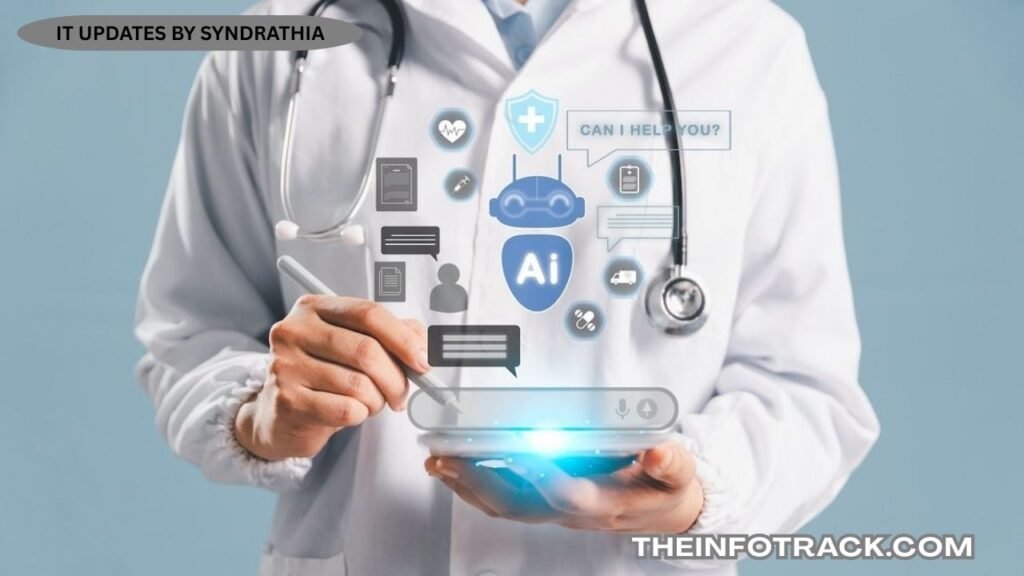
Security plays a dominant role in the concept of it updates by syndrathia. Modern cybersecurity threats evolve constantly. Attackers exploit outdated software, unpatched vulnerabilities, and weak endpoints. In this context, it updates by syndrathia becomes a defensive imperative. Regular updates patch vulnerabilities, update encryption protocols, and eliminate known attack vectors.
Stability also matters. Frequent updates introduce new code pathways that must coexist with legacy behavior. Organizations leveraging it updates by syndrathia employ testing frameworks, staging environments, canary releases, and monitoring systems to reduce failure risk. Canary releases gradually introduce updates to a subset of users before wide deployment. This reflects how it updates by syndrathia values controlled evolution rather than uncontrolled disruption.
Risk management forms the third pillar. Updates introduce positive enhancements but also carry uncertainty. Systems practicing it updates by syndrathia must balance innovation with resilience. Rollback mechanisms, snapshot systems, and redundancy architectures ensure that failures do not cripple operations. Disaster recovery strategies anchor the safety net beneath it updates by syndrathia, ensuring continuity even under fault conditions.
Long-Term Implications and Future Potential of It Updates by Syndrathia
Looking toward the future, it updates by syndrathia suggests that digital ecosystems will continue moving toward automation, intelligence, and interoperability. Autonomous systems already depend on continuous updates. Vehicles receive navigation data and safety patches. Smart homes adjust firmware. Wearable devices receive health processing improvements. In these domains, it updates by syndrathia becomes fundamental rather than optional.
Artificial intelligence further amplifies the importance of it updates by syndrathia. Machine learning models decay without fresh data. Real-time updates maintain accuracy and relevance. Predictive systems require constant adaptation to evolving environments. Therefore, it updates by syndrathia serves as the operational backbone for AI-driven industries.
On a societal level, it updates by syndrathia impacts digital literacy, economic structures, workforce skill requirements, and technology adoption curves. Digital systems are now part of everyday life, and constant updating becomes a shared global experience. The more technology integrates, the more important it updates by syndrathia becomes.
Over time, we may view it updates by syndrathia as a defining concept of the digital age — the idea that change never stops, systems never rest, and information never remains still. It reflects a profound transition from mechanical permanence to digital adaptability.
Conclusion
It updates by syndrathia represents far more than an update cycle or software revision model. It stands for a comprehensive philosophy of digital evolution where information flows continuously, systems adapt intelligently, infrastructures update autonomously, and users expect constant refinement. Through its technological, cultural, and strategic dimensions, it updates by syndrathia embodies the dynamic spirit of modern computing environments.
Anchored by modular architectures, automation pipelines, data synchronization, and human-centered expectations, it updates by syndrathia defines how digital ecosystems persist, protect themselves, and progress. Its influence spans artificial intelligence, cloud computing, cybersecurity, enterprise operations, user experience design, and societal digital adoption patterns.
As technology continues to evolve, it updates by syndrathia will shape the future of digital platforms, ensuring that innovation remains fluid, secure, intelligent, and aligned with human needs. In an era where digital stagnation equals extinction, it updates by syndrathia stands as a guiding principle for continuous renewal.