

Introduction: what goldschlager is and why it matters
Goldschlager is one of those bottles that stops people mid-stride in a liquor store aisle. Its clear amber liquid flecked with tiny, shimmering sheets of gold creates instant curiosity: is it real gold? Is it safe to drink? What does it taste like? This article answers those questions and many more. You’ll get a thorough, readable guide to goldschlager’s origins, what’s inside the bottle, how it tastes, the myths and facts about its gold flakes, its variants and proofs, how to serve it and mix it, and what to consider when buying a bottle. Whether you’re planning to try a shot, craft a cocktail, or simply satisfy curiosity, this guide will give you reliable, practical detail in plain language.
The origin and history of goldschlager
The concept of adding gold to alcoholic drinks goes back centuries, long before modern bottling and marketing. Distinctly European traditions mixed herbs, spices, and precious metals for both flavor and the symbolic power of luxury. Goldschlager as a branded product is a more recent creation that leaned into that old idea and made it part of late 20th-century nightlife culture.
The name itself—derived from the German for “gold beater,” an artisan who beats gold into thin leaf—signals the obvious: gold leaf is a central visual element. The product was launched in the 1990s and quickly found a niche among people who wanted a flashy shot or a novelty to bring to parties. Over time the brand moved between owners, and production shifted across countries, but the core identity remained the same: a cinnamon-forward schnapps with edible gold flakes for show. In different eras the drink has been presented as a playful, attention-getting party spirit and, occasionally, as a collectible curiosity tied to retro trends.
What goldschlager is made of: ingredients and production
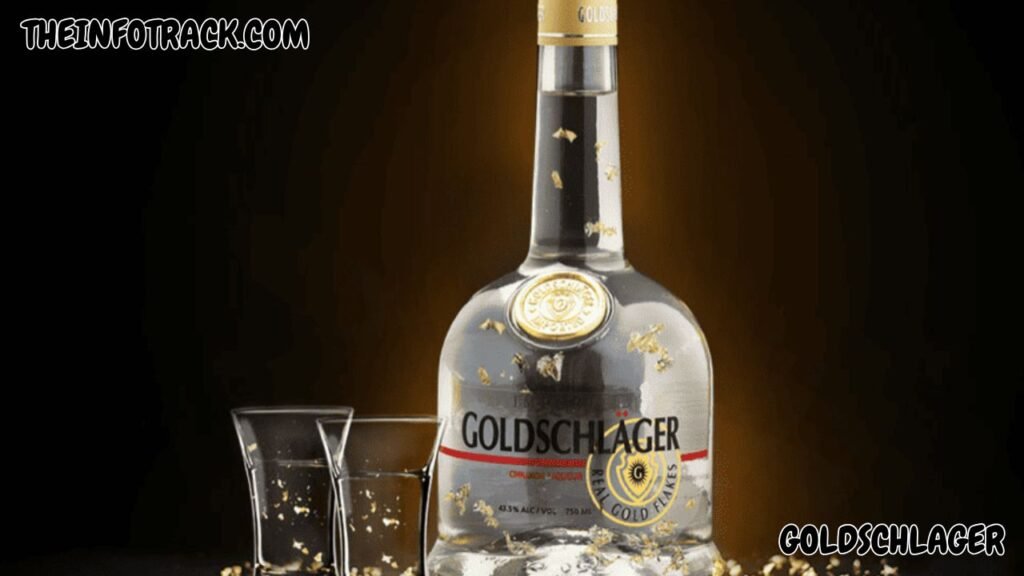
At its simplest, goldschlager is a cinnamon schnapps—a sweet, spiced liqueur made from a neutral spirit base flavored primarily with cinnamon. The base spirit is typically a neutral grain alcohol that provides a clean canvas for flavoring. Cinnamon oil or extracts add the recognizable warm, spicy profile. Producers may include additional sweeteners or subtle spice notes to round the flavor.
The outstanding ingredient from a visual and marketing standpoint is the gold leaf. This is real gold, beaten into sheets so thin that it floats and drifts in the liquid. The gold used is ultra-pure—commonly 24-karat—because purity reduces the chance of impurities or reactions in food and drink applications. The gold flakes are extremely lightweight and so thin they cause no texture or gritty sensation when consumed. From a production perspective, the challenge is simple: suspend the flakes evenly in a viscous but pourable liqueur so they remain visible and attractive inside the bottle.
Alcohol strength and variants
The standard formulation of this product is notable for being stronger than many liqueurs. Its alcohol by volume (ABV) is high compared to everyday flavored liqueurs, giving it noticeable warmth and body. Over time, manufacturers have released higher-proof versions aimed at different tastes—products that trade a bit more heat and intensity for nostalgia or renewed interest.
Historically and in modern reissues you will sometimes see versions labeled with different proofs, including higher-proof releases intended for fans who prefer stronger spirits. These variants alter how the spice interacts with the alcohol: higher proof tends to carry more volatile spice oils and produces a sharper burn on the palate, while lower-proof versions emphasize sweet, syrupy cinnamon notes.
How goldschlager tastes: tasting notes and sensory profile
Expect bold cinnamon right away. Goldschlager’s characteristic aroma is warm and spicy, with cinnamon leading the charge. On the palate it can taste sweet and syrupy, then move into a lingering heat that’s characteristic of cinnamon schnapps. Depending on bottle and batch, some people notice secondary notes—black pepper, faint clove, or a neutral grain sweetness beneath the spice.
Mouthfeel ranges from light and clean to slightly viscous, depending on sweetness. Because of its higher ABV, the spirit delivers a warming sensation that fits well as a chilled shot in bar settings or as a bold component in a cocktail. The gold flakes do not contribute to flavor; they are ornamental, offering visual drama rather than sensory impact.
Gold flakes: myth, reality, and safety
The presence of gold in the bottle raises two immediate questions: is it actually gold, and is it safe? The short answers are yes and yes. The flakes are real metal—very thin gold leaf—and they are edible in the same way gold leaf used in culinary decoration is edible. Gold in this form is chemically inert in the digestive system and passes through without reacting or being absorbed in any meaningful quantity.
There are myths that the flakes are sharp enough to damage internal tissue or that they somehow accelerate intoxication. These claims are misconceptions. Gold leaf is extremely soft and flexible at the thickness used in drinks; it cannot cut like particles of glass. It also does not change how alcohol is absorbed into the bloodstream. The intoxicating effect comes from the alcohol content, not from the decorative metal. The cosmetic use of gold in food and drink is a long-standing culinary practice and is safe when produced and handled correctly.
Cultural role and popularity trends
Goldschlager’s peak popularity came in social settings where novelty and spectacle mattered—nightlife scenes, celebratory shots, and moments when a flashy bottle made a difference. For many, it became shorthand for a bold, slightly gimmicky party drink: bring the bottle, pour a shot, watch the flakes sparkle under bar lights.
Trends have shifted since the 1990s, and the market for novelty schnapps is not as dominant as it once was. Yet nostalgia and cyclical trends in spirits culture occasionally bring a resurgence of interest. Reissues or higher-proof variants tap into that nostalgia and appeal to collectors and bartenders looking to put a dramatic element into a cocktail.
How to serve goldschlager: shots, chilled, and cocktail ideas
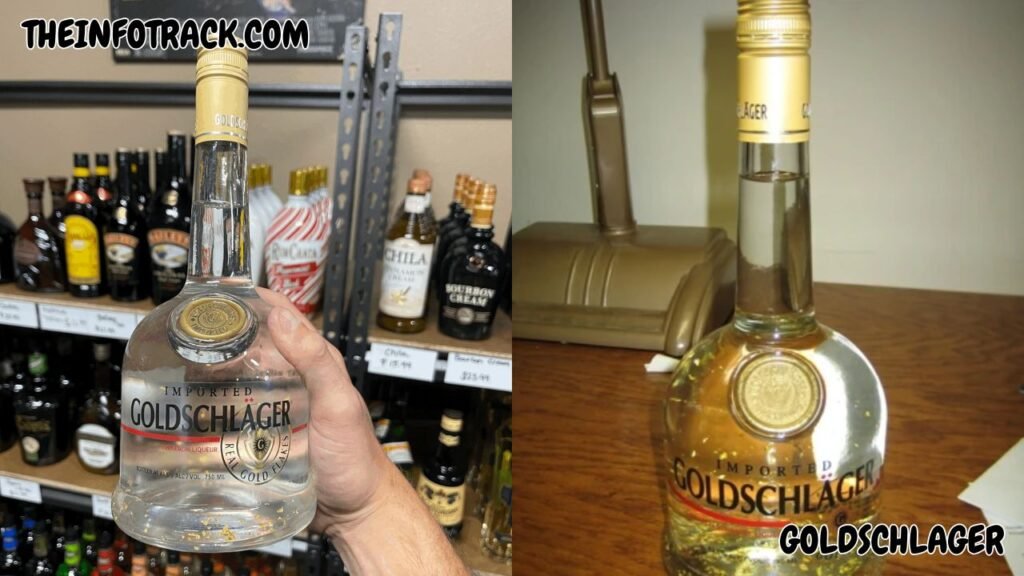
Goldschlager is commonly served cold as a straight shot. Chilling the bottle or the shot glass rounds the alcohol’s edges and emphasizes the sweet-spice profile. Here are practical serving ideas:
- Straight shot, chilled: Place the bottle in the refrigerator or serve over ice to reduce the bite and highlight sweetness.
- Layered shots: Combine with other liqueurs in a layered shot presentation to create contrast in color and flavor while letting the flakes shimmer.
- Simple mixed drink: Mix a small measure with cola, ginger ale, or apple juice for a straightforward high-low combination that balances heat and sweetness.
- Modern cocktail twist: Use goldschlager as a spicy accent—measure carefully and pair with neutral spirits like vodka or aged rum to add cinnamon warmth and visual interest.
- Dessert pairing: A tiny pour over vanilla ice cream or into an espresso-based dessert can be an indulgent finish.
When experimenting, remember the spirit’s strong cinnamon profile can dominate a mix; adjust proportions so it complements rather than overwhelms.
Buying goldschlager: what to look for and price considerations
When shopping, consider bottle condition and storage. Because visual appeal is central, look for bottles where the flakes are still visible and distributed attractively—extreme agitation or poor storage can clump flakes at the neck or leave the liquid cloudy. Check proof and labeling if you prefer the standard or a higher-proof variant.
Price often reflects novelty, import costs, and brand positioning rather than the intrinsic value of the gold inside. The total amount of gold in a bottle is extremely small and worth only a tiny fraction of the bottle’s cost; the product’s value is largely as a beverage and conversation piece. If you’re buying as a gift or for display, choose the size and presentation that match the occasion.
Health considerations and responsible consumption
Goldschlager is an alcoholic beverage with a relatively high ABV, so the usual rules of responsible drinking apply. The gold leaf itself is inert and nontoxic in the tiny amounts present, but the alcohol is the component to manage. Drinkers with specific metal sensitivities or rare allergies should consult a medical professional if concerned, though such reactions to pure gold leaf are exceedingly uncommon.
As with any spirit, avoid driving or operating machinery after drinking and be mindful of mixing with medications. If you have dietary restrictions or are pregnant, consult appropriate health guidance before consuming alcoholic products.
Collecting, gifting, and display ideas
Because of its striking appearance, goldschlager makes a memorable gift or decorative bottle for home bars. A few ideas:
- Gift presentation: Pair a bottle with shot glasses and place in a themed gift box for parties and milestones.
- Display: Keep a bottle upright on an open bar shelf where the flakes catch the light, and rotate occasionally to distribute flakes.
- Limited editions: Watch for special releases or higher-proof variants that may hold collectible interest to enthusiasts.
Remember that long-term storage does not appreciably alter the gold flakes; they will remain inert and visible as long as the bottle is sealed and stored away from extreme heat or direct sunlight.
Using goldschlager in recipes beyond drinks
Beyond shots and cocktails, goldschlager can be an accent in culinary applications that welcome alcohol: flambés, drizzle over desserts, or small amounts in syrups for glazing fruit. Use sparingly—its cinnamon intensity can overpower delicate flavors. Because the gold flakes are edible, they can be a whimsical garnish for high-end dessert presentations, but they add show rather than taste.
Common misconceptions clarified
There are a few recurring misconceptions around this product. Here’s a quick myth-busting list:
- Myth: The gold cuts you and increases intoxication. Fact: The flakes are soft and pose no cutting hazard; intoxication is only from alcohol.
- Myth: The gold makes the bottle a treasure trove. Fact: The amount of gold per bottle is minute and not economically significant.
- Myth: Gold alters taste significantly. Fact: Gold is flavorless in this application; the taste comes from cinnamon and the spirit base.
Addressing these misconceptions helps set realistic expectations: goldschlager is a sensory experience built on aroma, taste, and visual show, not a source of precious metal wealth.
How bartenders and mixologists use goldschlager creatively
Professional bartenders treat goldschlager as a tool for storytelling in a glass. It adds a visual “wow” and a distinctive cinnamon note that can complete or complicate a cocktail. Mixologists might use a dash in a whiskey-forward drink to add spice and shimmer, or layer it with creamy liqueurs for contrast. The key is balance: use modest measures to let other components—acid, sweetness, and base spirit—sing alongside the cinnamon.
Sustainability and ethical considerations
Gold leaf production involves mining and refining gold, which raises the usual questions about sourcing and environmental impact. Because the quantities used in goldschlager are tiny, the product’s overall footprint is small relative to industries that use more metal. Still, consumers who prioritize ethical sourcing can look for producers and brands that disclose supply chain practices or choose to treat gold as a purely decorative element used sparingly.
Conclusion: who should try goldschlager and when
Goldschlager suits someone looking for a bold cinnamon shot, a dramatic showpiece at a party, or an ingredient to add visual sparkle to a cocktail. It’s not a whiskey or aged spirit seeking contemplative sipping; it’s a social, sensory item built for moments that welcome spectacle. If you enjoy warm cinnamon flavors and a playful presentation, goldschlager is worth trying. If you prefer subtle, aged spirits and complex, layered tasting notes, use it sparingly as an accent rather than the centerpiece.