
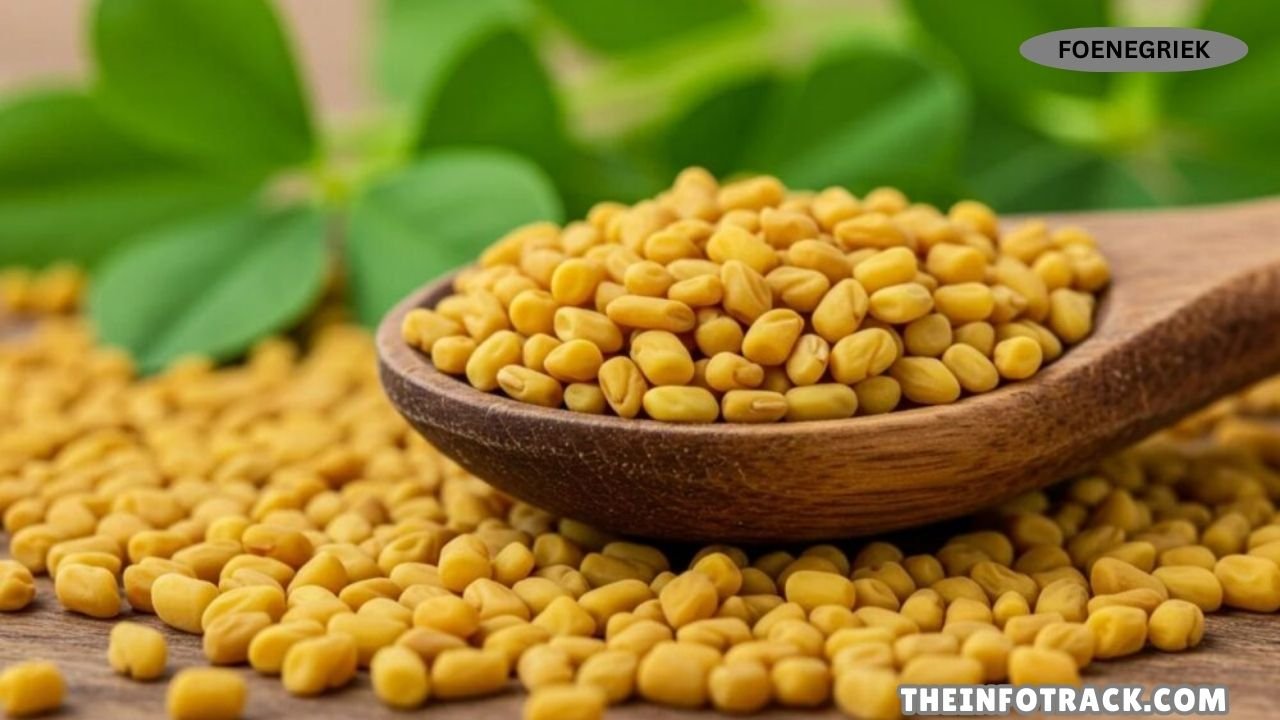
foenegriek, commonly known as fenugreek, is a powerful herb and spice that has been used for centuries in traditional medicine and culinary practices. It is widely recognized for its distinctive aroma, slightly bitter taste, and numerous health benefits. Originating from regions of the Mediterranean, South Asia, and the Middle East, foenegriek has played an important role in both herbal healing and daily cooking. The seeds and leaves of foenegriek are valued for their nutritional richness and therapeutic properties. In modern wellness discussions, foenegriek continues to gain attention due to its potential support for digestion, blood sugar balance, hormonal health, and overall vitality. Understanding its properties, uses, and precautions helps individuals incorporate it safely into their lifestyle.
Nutritional Profile of foenegriek
foenegriek seeds are rich in essential nutrients that contribute to overall health. They contain dietary fiber, protein, iron, magnesium, manganese, and several B vitamins. The high fiber content supports digestive function and promotes satiety. Additionally, foenegriek contains plant compounds such as saponins, flavonoids, and alkaloids that may offer antioxidant and anti-inflammatory benefits. These bioactive components are believed to play a role in regulating blood sugar levels and supporting heart health. The combination of nutrients and plant-based compounds makes foenegriek a valuable addition to balanced nutrition plans. When consumed in moderation, it can contribute to daily micronutrient intake while offering additional health-supporting properties.
Health Benefits of foenegriek
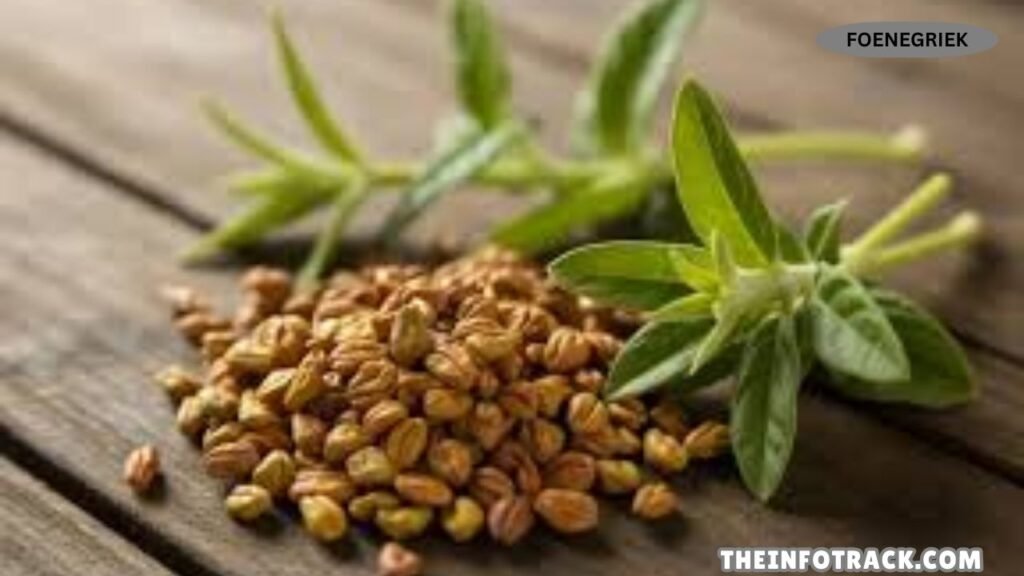
One of the most well-known benefits of foenegriek is its potential to support blood sugar management. Studies and traditional practices suggest that compounds within foenegriek may help improve insulin sensitivity and regulate glucose absorption. This makes it particularly popular among individuals focusing on metabolic health. Another significant benefit involves digestive support. The fiber content in foenegriek may help relieve constipation and promote smoother digestion. Additionally, foenegriek has traditionally been used to stimulate appetite and reduce digestive discomfort. Some individuals also use it for hormonal balance, particularly in supporting women’s health during menstrual cycles. Its diverse benefits continue to make it a popular herbal supplement worldwide.
foenegriek and Hormonal Support
foenegriek is frequently discussed in relation to hormonal balance. It has traditionally been used to support lactation in breastfeeding mothers. Some believe that compounds in foenegriek may stimulate milk production, though results can vary from person to person. Additionally, it has been associated with supporting testosterone levels in men and overall reproductive health. While research continues in these areas, many people incorporate foenegriek into wellness routines for potential endocrine support. It is important, however, to consult healthcare professionals before using it for hormonal purposes, especially for individuals with underlying medical conditions.
Culinary Uses of foenegriek
Beyond its medicinal value, foenegriek is widely used in cooking. The seeds are commonly included in spice blends, while the dried leaves are used to flavor curries, stews, and breads. In some cultures, foenegriek leaves are cooked as leafy vegetables. The slightly bitter yet aromatic flavor adds depth to savory dishes. When roasted lightly, foenegriek seeds develop a nutty taste that enhances recipes. It is also used in herbal teas and traditional tonics. Incorporating foenegriek into meals not only enhances flavor but also allows individuals to benefit from its nutritional properties naturally.
foenegriek for Digestive Health
Digestive health is one of the most recognized applications of foenegriek. The soluble fiber present in the seeds forms a gel-like consistency when mixed with water, which can soothe the digestive tract. This property may help manage mild gastrointestinal discomfort and promote regular bowel movements. Additionally, foenegriek has been traditionally used to reduce bloating and support gut health. The herb’s mild anti-inflammatory properties may further contribute to digestive comfort. Including foenegriek as part of a balanced diet may support a healthy digestive system when consumed responsibly.
Potential Side Effects and Precautions
While foenegriek offers numerous benefits, it is important to use it cautiously. Some individuals may experience mild side effects such as stomach upset, diarrhea, or a distinct body odor due to its natural compounds. Those with allergies to legumes should exercise caution, as foenegriek belongs to the same plant family. Pregnant women are generally advised to avoid excessive consumption, as high doses may stimulate uterine contractions. Additionally, individuals taking medications for diabetes or blood thinning should consult healthcare providers before using foenegriek supplements. Responsible usage ensures that benefits outweigh potential risks.
Different Forms of foenegriek
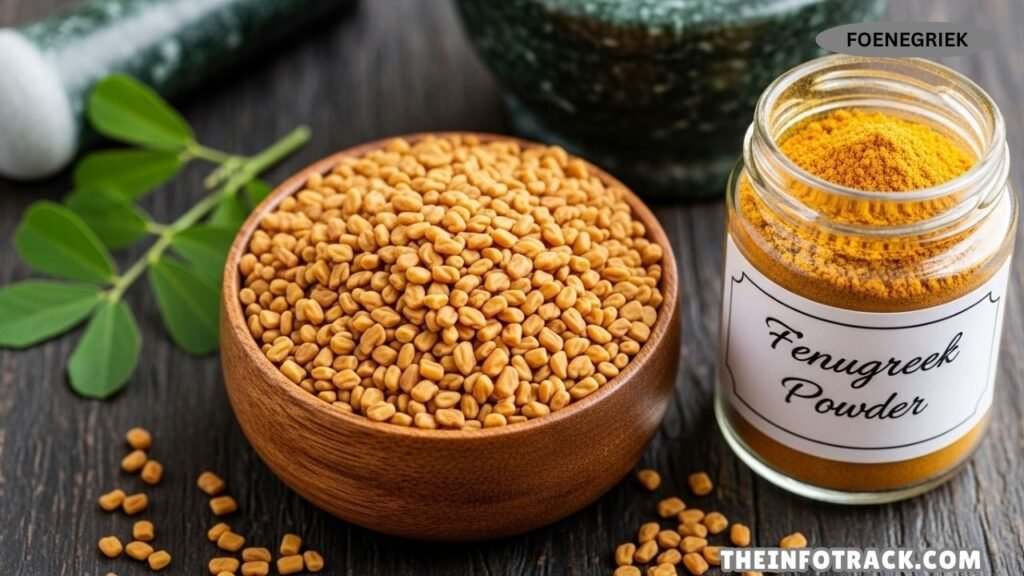
foenegriek is available in multiple forms, including whole seeds, ground powder, capsules, extracts, and teas. Whole seeds are commonly used in cooking and can be soaked before consumption. Powdered foenegriek is often mixed into smoothies or warm water. Capsules and extracts provide concentrated doses for those seeking convenience. The choice of form depends on personal preference and intended use. Culinary applications typically use whole or ground seeds, while therapeutic use may involve standardized supplements. Regardless of the form, moderation remains key to safe consumption.
How to Incorporate foenegriek Into Your Routine
Incorporating foenegriek into daily life can be simple and practical. Soaking seeds overnight and consuming them in the morning is a traditional method used for digestive support. Adding ground foenegriek to soups or spice blends enhances flavor while boosting nutrient intake. Herbal teas made from foenegriek seeds can provide a warming beverage option. When using supplements, following recommended dosage guidelines is essential. Starting with small amounts allows individuals to monitor tolerance and adjust accordingly. Consistency combined with mindful usage maximizes potential benefits.
foenegriek in Traditional and Modern Wellness
foenegriek has a long history in traditional medicine systems such as Ayurveda and Middle Eastern herbal practices. It has been used to address various health concerns ranging from digestive discomfort to energy enhancement. In modern wellness communities, foenegriek is gaining renewed popularity due to increased interest in natural remedies. As scientific research continues to explore its properties, more evidence-based insights may emerge. The blend of historical tradition and contemporary interest makes foenegriek a unique herb bridging ancient wisdom and modern health awareness.
Conclusion
foenegriek is a versatile herb valued for its nutritional richness, culinary versatility, and potential health benefits. From supporting digestive wellness and metabolic balance to enhancing flavor in traditional dishes, foenegriek remains relevant in both kitchens and wellness routines. While its benefits are promising, mindful consumption and professional guidance are essential for safe use. By understanding its properties, applications, and precautions, individuals can confidently incorporate foenegriek into a balanced and health-conscious lifestyle.
Also read: BTER Metal Detector Antenna Replacement Guide & Tips