

The aviation incident known as delta flight dl275 diverted lax quickly attracted attention from travelers, aviation experts, and news followers around the world. When a long-haul international flight suddenly changes course mid-journey, it raises many questions. Passengers, aviation analysts, and people tracking flights online all wanted to understand what happened when delta flight dl275 diverted lax during a transpacific journey.
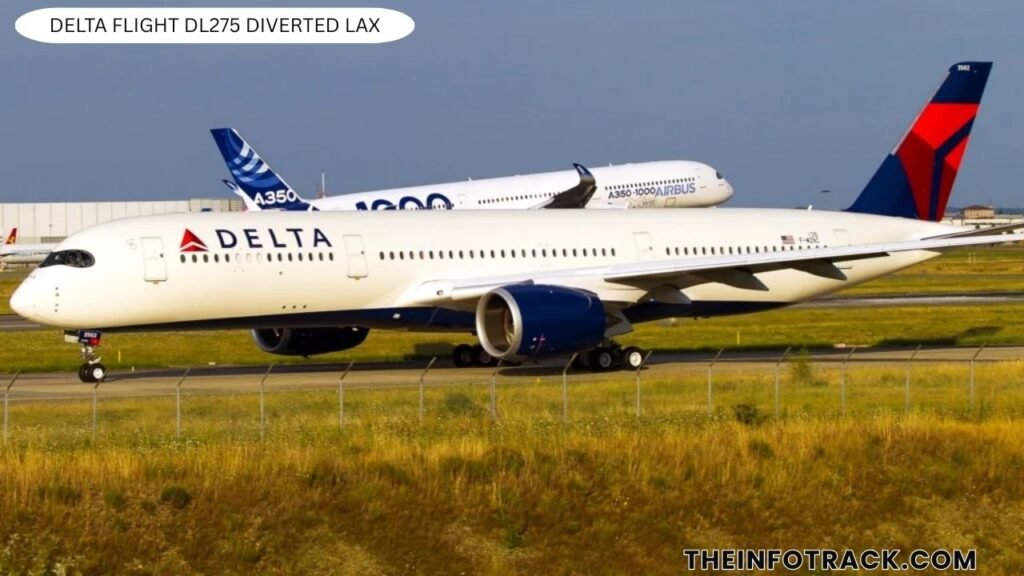
Delta Air Lines Flight DL275 is a regularly scheduled international route that typically travels from Detroit Metropolitan Wayne County Airport in the United States to Tokyo Haneda Airport in Japan. The flight normally operates using a modern Airbus A350-900 aircraft designed for long-distance travel and high passenger capacity. On the day of the event, however, the routine journey took an unexpected turn when delta flight dl275 diverted lax instead of continuing toward its planned destination.
The diversion occurred after pilots detected a technical issue during the flight while the aircraft was crossing the North Pacific Ocean. Rather than risk continuing across a long stretch of ocean, the flight crew decided to change course and land safely at Los Angeles International Airport (LAX). The aircraft landed without any injuries to passengers or crew members.
While the situation caused delays and travel disruptions for passengers, aviation experts emphasized that diversions like delta flight dl275 diverted lax demonstrate how airline safety systems are designed to protect travelers. The incident serves as a clear example of how pilots, engineers, and airline operations teams work together to handle unexpected situations during long-distance flights.
Overview of the Delta Flight DL275 Route
Before understanding the incident involving delta flight dl275 diverted lax, it is helpful to understand the route and purpose of the flight. Delta Flight DL275 connects Detroit, Michigan, with Tokyo, Japan. This route is important because it links a major industrial and economic hub in the United States with one of Asia’s busiest cities.
The flight typically takes around 13 hours and covers more than 6,000 miles across the Pacific Ocean. Because of the distance involved, the aircraft must operate with extremely reliable systems and advanced safety monitoring technologies.
The Airbus A350-900 used on this route is one of the most advanced commercial aircraft in the world. It features modern navigation systems, powerful Rolls-Royce Trent XWB engines, and advanced monitoring tools designed to detect potential issues early during a flight.
Despite the high reliability of such aircraft, aviation regulations require pilots to treat certain system warnings very seriously. When the crew detected a problem during this journey, the safest decision was to divert the aircraft. This is why the event delta flight dl275 diverted lax became a widely discussed example of aviation safety procedures in action.
What Happened When Delta Flight DL275 Diverted LAX
The incident occurred on May 27–28, 2025, during a scheduled flight from Detroit to Tokyo. The aircraft departed Detroit normally and began its transpacific journey toward Japan. For the first several hours, the flight progressed as expected.
However, approximately five hours into the flight, cockpit alerts indicated a malfunction in the aircraft’s engine anti-ice system. This system is designed to prevent ice from forming inside the engine when flying at high altitude in cold atmospheric conditions.
The aircraft was cruising at roughly 38,000 feet over the North Pacific Ocean when the issue was detected. Because ice buildup in engines can potentially cause airflow disruptions or engine damage, the crew needed to act quickly.
After evaluating their options, the pilots decided that the safest course of action was to divert the aircraft rather than continue across the ocean toward Tokyo. The decision led to the situation known as delta flight dl275 diverted lax.
The aircraft changed course toward the west coast of the United States and landed safely at Los Angeles International Airport early in the morning. More than 300 passengers were on board, and none were injured during the incident.
Why Delta Flight DL275 Diverted to LAX
A common question after the event delta flight dl275 diverted lax was why the aircraft flew to Los Angeles instead of landing at another airport closer to its position.
Although some airports may have been geographically closer, Los Angeles International Airport offered several advantages that made it the best diversion option.
First, LAX is one of Delta Air Lines’ major operational hubs. This means the airline has extensive ground support, maintenance crews, and technical resources available at the airport.
Second, Los Angeles has the specialized equipment and technicians needed to inspect and repair Airbus A350 aircraft and Rolls-Royce engines. Smaller airports might have handled the landing but lacked the capability to fix the problem quickly.
Third, LAX has the infrastructure necessary to support large numbers of passengers during unexpected disruptions. When delta flight dl275 diverted lax, more than 300 passengers needed assistance with hotels, meals, and rebooking.
Finally, the airport has multiple long runways capable of safely handling wide-body aircraft like the Airbus A350 carrying a large amount of fuel.
Because of these factors, Los Angeles was the safest and most practical location for the diversion.
Passenger Experience During Delta Flight DL275 Diverted LAX
For passengers on board, the situation of delta flight dl275 diverted lax was likely surprising and stressful. Long-haul international flights usually follow a predictable routine once they reach cruising altitude.
Cabin lights dim, meals are served, and passengers settle into a long stretch of travel. When a diversion occurs, it interrupts that routine and creates uncertainty.
According to reports, the flight crew communicated clearly with passengers about the situation and reassured them that the diversion was a precautionary safety measure. The cabin crew continued normal service and helped maintain a calm atmosphere during the flight.
When the aircraft landed safely at Los Angeles International Airport, Delta staff provided assistance to travelers. Passengers received hotel accommodations, meal vouchers, and help with rebooking flights to Tokyo or other destinations.
Although the diversion caused delays of one or two days for many travelers, most passengers appreciated the professionalism of the crew and the airline’s focus on safety.
Aviation Safety Lessons from Delta Flight DL275 Diverted LAX
The incident delta flight dl275 diverted lax highlights several important lessons about modern aviation safety.
First, it shows how aircraft systems are designed to detect problems early. Even a potential issue that might not cause immediate danger can trigger alerts that prompt pilots to take precautionary action.
Second, it demonstrates the importance of pilot training. Commercial airline pilots undergo extensive training to handle technical malfunctions and unexpected situations. Their ability to analyze risks and make quick decisions is a key factor in maintaining aviation safety.
Third, the event illustrates how airports and airlines coordinate during diversions. Air traffic control, maintenance teams, airport staff, and airline operations centers all work together to ensure that diverted flights land safely and passengers receive support.
Finally, the case of delta flight dl275 diverted lax reminds travelers that diversions are part of aviation’s safety system. While they may cause inconvenience, they are often the safest way to manage potential technical issues.
How Airlines Handle Flight Diversions
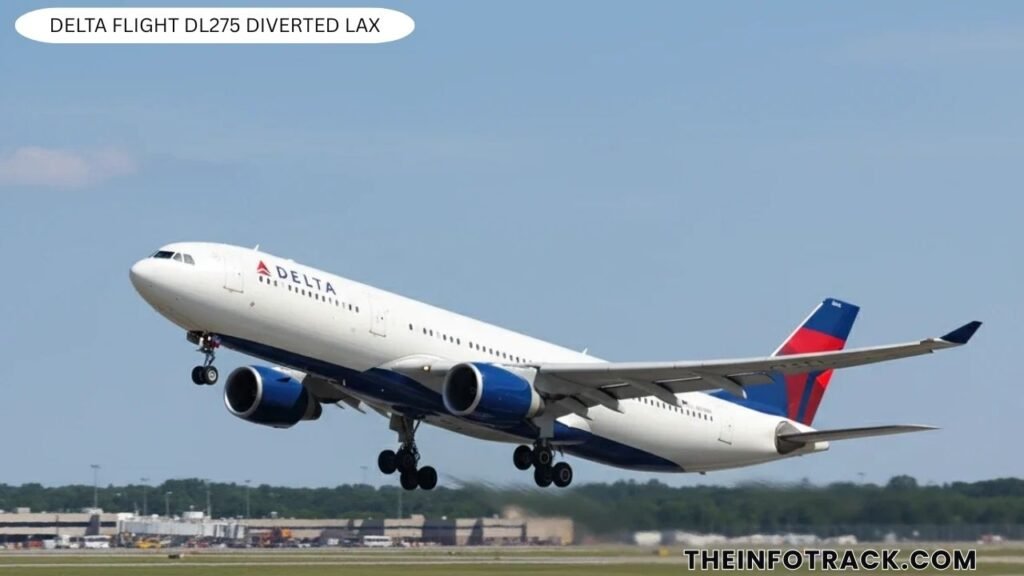
The aviation industry has well-defined procedures for situations like delta flight dl275 diverted lax. When a potential issue arises during a flight, the crew works closely with airline dispatch teams on the ground to evaluate options.
Several factors influence the choice of diversion airport, including distance, weather conditions, runway length, maintenance capability, and passenger support infrastructure.
Once the aircraft lands, maintenance technicians inspect the plane to identify and repair the problem. At the same time, airline staff assist passengers with accommodations, rebooking, and travel arrangements.
Diversions can be expensive for airlines due to additional fuel costs, operational disruptions, and passenger services. However, airlines always prioritize safety over cost or scheduling concerns.
The incident delta flight dl275 diverted lax demonstrates how these procedures function effectively in real-world situations.
The Future of Aviation Safety
Incidents like delta flight dl275 diverted lax also highlight the ongoing evolution of aviation technology. Airlines and aircraft manufacturers are constantly developing new systems to detect problems earlier and prevent disruptions.
One area of innovation is predictive maintenance. Advanced software can analyze data from aircraft sensors and identify potential mechanical issues before they become serious.
Artificial intelligence and machine learning are also being used to monitor aircraft systems in real time. These technologies could help reduce the number of unexpected diversions in the future.
Despite technological advances, human decision-making will always remain a critical part of aviation safety. Skilled pilots, engineers, and operations teams will continue to play essential roles in managing unexpected situations.
The event delta flight dl275 diverted lax demonstrates how technology, training, and safety procedures work together to protect passengers and crew.
Conclusion
The story of delta flight dl275 diverted lax serves as an important example of how modern aviation prioritizes safety above all else. A routine international flight from Detroit to Tokyo turned into an unexpected landing in Los Angeles after pilots detected a technical issue with the aircraft’s engine anti-ice system.
Rather than risk continuing across the Pacific Ocean, the flight crew made the responsible decision to divert the aircraft. The Airbus A350 landed safely at Los Angeles International Airport with all passengers and crew unharmed.
Although the diversion disrupted travel plans, it demonstrated the strength of aviation safety procedures. Early detection of problems, professional pilot decision-making, and strong coordination between airlines and airports ensured a safe outcome.
For travelers, the event delta flight dl275 diverted lax is a reminder that airline safety systems are designed to manage unexpected challenges and protect everyone on board.
Also read: Türk Idla Meaning Explained | Culture and Language Guide