
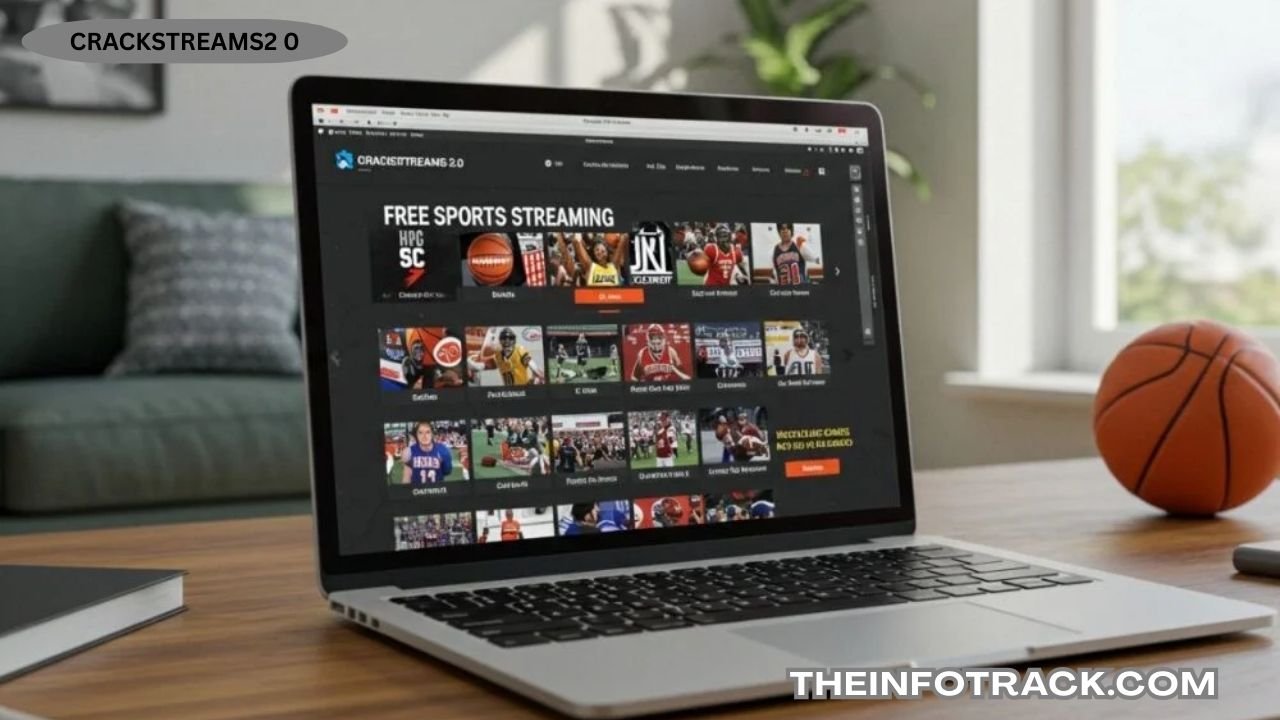
The phrase crackstreams2 0 represents a conceptual vision of how digital sports streaming platforms evolve within a modern technological landscape. In earlier decades, sports viewing existed primarily through cable television, commercial broadcasts, and fixed program schedules. Over time, the rise of digital ecosystems transformed how audiences accessed content. Crackstreams2 0 symbolizes the next stage of that transformation, integrating real-time accessibility, multi-device compatibility, user-centered customization, and adaptive streaming philosophy. Rather than viewing sports through static broadcast channels, crackstreams2 0 reframes sports viewing as a dynamic digital experience capable of interacting with user preferences, data models, and sensory environments.
Crackstreams2 0 exists at the intersection of entertainment, technology, and user behavior. It reflects a cultural shift where audiences expect instant access, flexible consumption, and personalized control over their viewing experiences. Instead of waiting for scheduled broadcasts, users now demand multiple camera angles, real-time updates, replay options, mobile access, and interactive overlays. Crackstreams2 0 embraces this cultural transformation by representing a new form of streaming logic that aligns with audience expectations in the age of digital media. It highlights a world where streaming is not merely passive consumption, but an integrated digital activity shaped by data, context, and technology.
Historical and Conceptual Context of Crackstreams2 0
Historically, sports broadcasting followed a centralized distribution model. Networks purchased rights, programmed schedules, and delivered one-way broadcasts to mass audiences. Interaction was limited and personalization was nonexistent. Crackstreams2 0 represents a divergence from that one-directional paradigm. It reflects the influence of digital culture where content flows freely across platforms, devices, and formats. The audience evolves from passive viewer to active participant.
The conceptual roots of crackstreams2 0 also stem from broader technological advancements including broadband penetration, mobile computing, real-time data networking, cloud streaming, and adaptive bitrate technologies. These advancements made high-quality sports streaming possible beyond traditional networks. They also enabled global audiences to engage with sports regardless of geographic barriers. Crackstreams2 0 exemplifies how digital architectures reshape audience access and engagement.
Culturally, crackstreams2 0 highlights a generational shift in media consumption habits. Younger audiences value portability, interactivity, and customization. Traditional television infrastructures struggle to satisfy these preferences due to rigid scheduling and limited features. Crackstreams2 0 therefore symbolizes an adaptive model built upon modern expectations. It becomes not just a streaming method, but a digital ethos reflecting how sports content fits into contemporary life.
Digital Architecture and Engineering Methodologies Supporting Crackstreams2 0

From a technical standpoint, crackstreams2 0 relies on several key engineering methodologies associated with modern digital streaming ecosystems. These include distributed content delivery networks, encoding pipelines, adaptive bitrate streaming, caching strategies, multi-device compatibility, and low-latency broadcasting.
Encoding pipelines convert raw sports footage into compressed streams that can be delivered across networks efficiently. Crackstreams2 0 leverages modern encoding techniques that balance quality and bandwidth. Adaptive bitrate streaming then adjusts video quality in real time based on network conditions. This ensures that crackstreams2 0 maintains consistent playback even under fluctuating connectivity scenarios, which is crucial for mobile and rural users.
Content delivery networks form another critical layer. They replicate video data across servers positioned globally to reduce latency. This allows crackstreams2 0 to deliver streams quickly regardless of geographic proximity to source servers. Low-latency broadcasting also matters. Live sports require minimal delay between field action and viewer screen to preserve authenticity. Crackstreams2 0 emphasizes latency reduction through optimized data paths, efficient protocols, and buffering strategies.
Multi-device compatibility supports user behavior diversity. Audiences access crackstreams2 0 through smartphones, laptops, tablets, smart TVs, and gaming consoles. Responsive design, API integration, and cross-platform optimization ensure viewing consistency. This highlights how crackstreams2 0 embraces modern device ecosystems rather than forcing users into fixed platforms.
Finally, supplementary digital components such as overlays, statistics engines, replay modules, and commentary layers enhance interactivity. These components align with the idea that crackstreams2 0 represents not only streaming but also enriched digital engagement.
User Interaction Models and Cultural Elements Associated with Crackstreams2 0
Crackstreams2 0 is not purely technical; it embodies a cultural model of user interaction built around flexibility, autonomy, and immersive viewing experiences. It recognizes that sports fandom has evolved into participatory culture influenced by social media, real-time discussion, analytics communities, influencer commentary, and digital fan engagement.
Traditional broadcast television offered minimal interaction. Crackstreams2 0 embraces interactive modes such as multi-angle viewing, real-time chat, integrated statistics, personalized notifications, and device switching. These interaction models reflect how modern users consume sports simultaneously with conversation, analysis, and social validation.
Portability is another cultural expectation embedded in crackstreams2 0. Audiences no longer sit exclusively in living rooms. They watch matches while commuting, working, traveling, or socializing. Crackstreams2 0 integrates asynchronous viewing by allowing pause, replay, and catch-up functionality. This supports busy lifestyles and global time zone differences.
Community dynamics influence crackstreams2 0 as well. Digital sports culture thrives on community-driven experiences. Fans react to plays instantly through commentary threads, group chats, or watch parties. Crackstreams2 0 aligns with this culture by providing environments conducive to shared viewing experiences rather than isolated consumption.
Lastly, user autonomy is central to crackstreams2 0. Traditional TV dictated what viewers could watch and when. Crackstreams2 0 reverses that relationship. Users decide their events, devices, angles, statistics, and engagement depth. This inversion of control reflects the broader digital culture of choice.
Information Workflow, Data Layers, and Real-Time Synchronization in Crackstreams2 0
At the informational level, crackstreams2 0 integrates multiple data layers that enhance viewing experiences beyond raw video streams. These layers include play-by-play statistics, player tracking data, commentary, predictive analytics, replay markers, and historical performance indices.
Real-time synchronization ensures that these data layers align precisely with the live stream. When a goal, touchdown, knockout, or buzzer-beater occurs, crackstreams2 0 aligns statistical updates and commentary with that moment. Synchronization requires precise timing protocols and clock-state agreement between servers, data providers, and playback clients.
Predictive analytics also contribute to crackstreams2 0. Using historical data inputs, analytics models estimate probabilities such as scoring chances, possession strategies, or player fatigue. This adds intellectual depth to streaming and enriches fan understanding of sports tactics.
Archival data supports asynchronous engagement. Users often revisit highlights, statistics, and detailed breakdowns after live matches. Crackstreams2 0 integrates archival storage, indexing systems, and retrieval interfaces. These components create continuity between live and on-demand consumption.
The data ecosystem of crackstreams2 0 demonstrates how streaming is no longer about video alone. It becomes a multi-dimensional experience where data, context, and interaction merge into an integrated sports information model.
Security, Stability, and Network Considerations in Crackstreams2 0

While crackstreams2 0 emphasizes user experience and interactivity, stability and security remain critical underlying concerns. Streaming ecosystems require consistent uptime, bandwidth management, and error handling. Sudden traffic spikes during major events can strain infrastructure. Crackstreams2 0 adapts to such spikes through scalable server architectures, load balancing, and dynamic resource allocation.
Security considerations include content protection, user data safeguarding, and infrastructure integrity. Encryption protocols protect video streams, while authentication systems manage user access. Crackstreams2 0 acknowledges that digital environments must safeguard performance as well as privacy, particularly when dealing with real-time video workloads.
Stability is equally important. Streaming interruptions degrade user trust and discourage adoption. Crackstreams2 0 implements buffering strategies, redundancy pathways, and fallback nodes to reduce failures. Monitoring tools track performance anomalies in real time, enabling corrective responses.
Together, these factors reinforce that crackstreams2 0 represents a complex digital infrastructure rather than a simple front-end interface.
Long-Term Impact and Future Potential of Crackstreams2 0
Looking to the future, crackstreams2 0 hints at broader shifts in the sports and entertainment industries. As audiences migrate from traditional television to digital platforms, streaming ecosystems will influence licensing models, content strategies, fan culture, and economic frameworks.
Emerging trends such as virtual reality sports viewing, mixed reality overlays, motion tracking, AI-driven commentary, and sensory feedback environments will continue pushing crackstreams2 0 toward immersive realism. Multi-angle virtual stadium experiences could allow users to “choose their seats” digitally. Data-driven commentary may replace static broadcasting styles. Interactive statistics may personalize fan learning.
Crackstreams2 0 may also intersect with gaming ecosystems. Fantasy leagues, esports integrations, prediction markets, and interactive simulations could blend entertainment formats into unified engagement environments. This reflects a future where sports consumption merges with data play and interactive entertainment.
From a global perspective, crackstreams2 0 supports decentralized access. Fans of international leagues no longer depend on local broadcasts. Instead, crackstreams2 0 connects global communities around shared interests. This cultural unification represents a powerful shift in how sports operate as a social medium.
Economically, crackstreams2 0 aligns with subscription models, microtransactions, tiered access levels, and cross-platform content bundling. These models reflect modern digital ecosystems more closely than legacy broadcast systems. As such, crackstreams2 0 symbolizes an economic as well as technological transformation.
Conclusion
Crackstreams2 0 represents a digital evolution in sports streaming that integrates accessibility, interactivity, data-oriented enhancement, user autonomy, and global cultural transformation. It diverges from traditional one-way broadcast systems by empowering users through device flexibility, real-time analytics, interactive engagement, and adaptive viewing experiences. Crackstreams2 0 demonstrates that the future of sports viewing will be shaped not only by technological infrastructure but also by shifting audience expectations and digital behavior patterns.
Through its engineering methodologies, cultural dynamics, informational workflows, security frameworks, and future-oriented potential, crackstreams2 0 reflects a significant milestone in the ongoing evolution of digital media. It embodies the idea that sports streaming is no longer limited to passive watching but instead integrates data, choice, community, and technological sophistication. As digital environments advance, crackstreams2 0 will continue influencing how fans watch, analyze, discuss, and interact with sports content in an increasingly connected world.
Also read: It Updates by Syndrathia The Digital Layer Transforming Information Flow and Adaptive System Design