
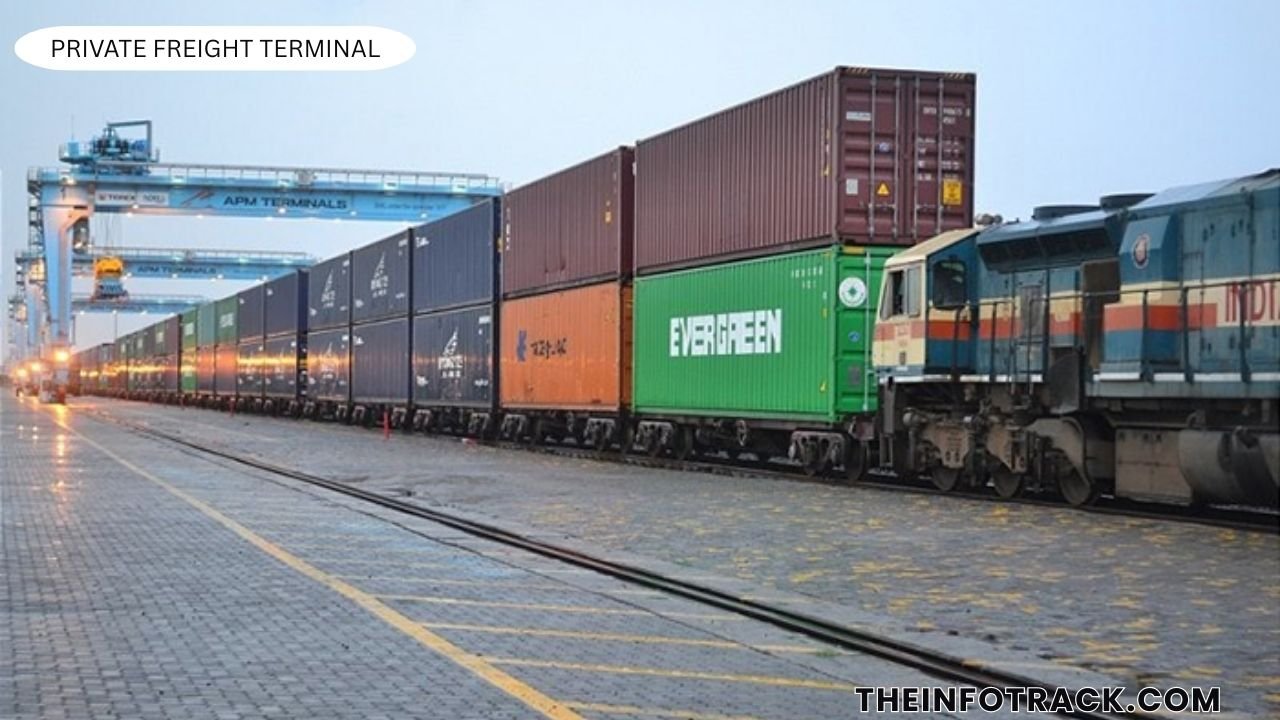
The concept of a private freight terminal has become increasingly important in modern logistics and transportation systems. As global trade and supply chains continue to expand, businesses require efficient infrastructure to manage the movement of goods. A private freight terminal is a specialized facility designed to handle cargo transportation, storage, and distribution while being owned or operated by a private company rather than a government authority.
Private freight terminals play a crucial role in supporting industries such as manufacturing, retail, agriculture, and international trade. These terminals provide businesses with greater control over their logistics operations, allowing them to manage freight movement more efficiently. By operating a dedicated terminal, companies can reduce delays, improve cargo handling, and streamline the overall transportation process.
The demand for private freight terminals has grown significantly in recent years. With the rise of e-commerce and global supply chains, companies must move goods quickly and reliably across different regions. Private terminals offer the flexibility and infrastructure needed to meet these demands while maintaining efficient operations.
Another key advantage of private freight terminals is the ability to customize logistics processes according to specific business requirements. Companies can design terminal operations to match their transportation networks, ensuring that goods move smoothly from production facilities to distribution centers and final destinations.
Understanding private freight terminals helps businesses recognize how logistics infrastructure supports the movement of goods in today’s interconnected economy.
What is a Private Freight Terminal
A private freight terminal is a facility used for the transfer, storage, and management of cargo that is owned or operated by a private organization. Unlike public terminals, which are often managed by government agencies or port authorities, private terminals are designed to support the logistics needs of specific companies or industries.
These terminals may handle various types of cargo, including containerized goods, bulk commodities, industrial materials, and retail products. The primary purpose of a private freight terminal is to facilitate the smooth movement of freight between different transportation modes such as trucks, trains, ships, or aircraft.
Private freight terminals often include several key components. These may include loading docks, storage warehouses, cargo handling equipment, and transportation access points such as rail tracks or road networks. Together, these components create an integrated environment for managing freight efficiently.
One of the defining characteristics of private freight terminals is operational control. Since the facility is privately managed, companies can establish their own logistics processes, schedules, and operational standards. This control allows them to optimize efficiency and maintain consistent service quality.
Private freight terminals may also incorporate advanced technologies for cargo tracking, inventory management, and logistics coordination. These technologies help companies monitor shipments in real time and ensure accurate handling of goods.
By providing a dedicated logistics environment, private freight terminals help businesses maintain reliable supply chains and support large-scale freight operations.
How Private Freight Terminals Operate
The operation of a private freight terminal involves several coordinated processes that ensure cargo moves efficiently through the logistics network. These operations typically begin with the arrival of freight shipments from manufacturing facilities, suppliers, or distribution centers.
When cargo arrives at the terminal, it is received and inspected to verify shipment details. Cargo handling equipment such as forklifts, cranes, or automated systems may be used to unload goods from trucks, railcars, or shipping containers.
Once the cargo is unloaded, it may be temporarily stored in warehouses or storage areas within the terminal. Storage facilities allow companies to manage inventory levels and coordinate shipments according to transportation schedules.
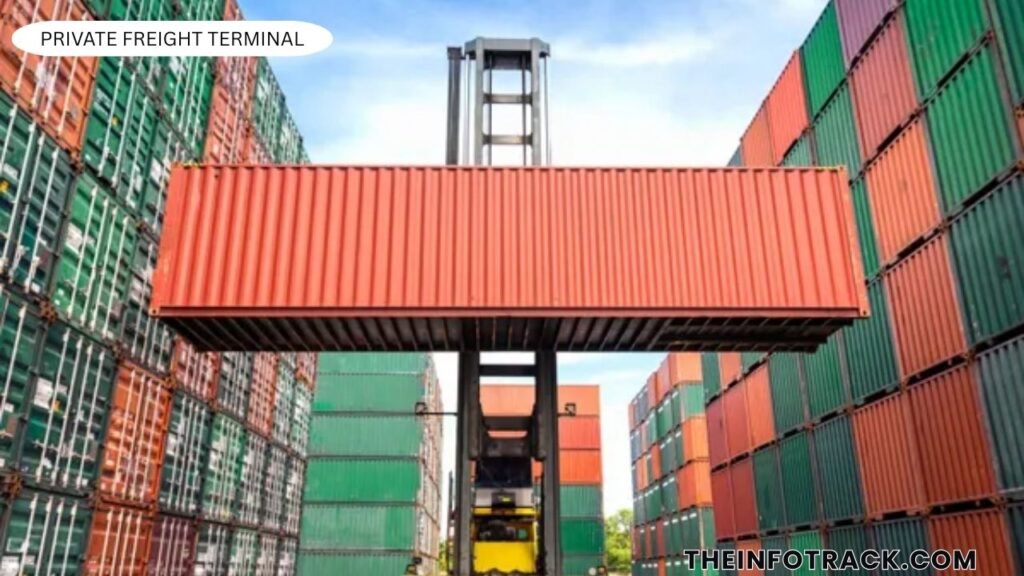
Another important part of terminal operations is sorting and distribution. Freight may be organized based on destination, delivery routes, or transportation methods. This process helps ensure that goods are loaded onto the correct vehicles for the next stage of the supply chain.
Loading operations are another critical step. After sorting and preparation, cargo is transferred onto trucks, trains, or other transport vehicles for delivery to customers, distribution centers, or international ports.
Efficient coordination between these processes is essential for maintaining smooth terminal operations. Logistics teams monitor schedules, manage inventory systems, and oversee cargo movement to prevent delays and ensure timely deliveries.
Benefits of Private Freight Terminals
The development of a private freight terminal offers numerous advantages for businesses involved in logistics and supply chain management. One of the most significant benefits is increased operational efficiency. By managing their own terminals, companies can control cargo handling processes and reduce dependency on shared infrastructure.
Another major advantage is improved logistics coordination. Private terminals allow companies to align transportation schedules with production and distribution operations. This coordination helps minimize delays and improve delivery timelines.
Cost management is also an important benefit. While building and operating a private freight terminal requires initial investment, it can reduce long-term logistics expenses by streamlining operations and eliminating unnecessary intermediaries.
Flexibility is another key advantage of private freight terminals. Companies can design facilities to meet their specific needs, including specialized storage areas, customized loading docks, and advanced cargo handling systems.
Security and reliability also improve with private terminals. Businesses can implement strict security measures to protect valuable cargo and ensure safe handling procedures.
Additionally, private freight terminals can support scalability. As companies expand their operations, terminals can be upgraded or expanded to accommodate increased cargo volumes.
These benefits demonstrate why many companies invest in private freight terminals as part of their long-term logistics strategy.
Role of Private Freight Terminals in Supply Chains
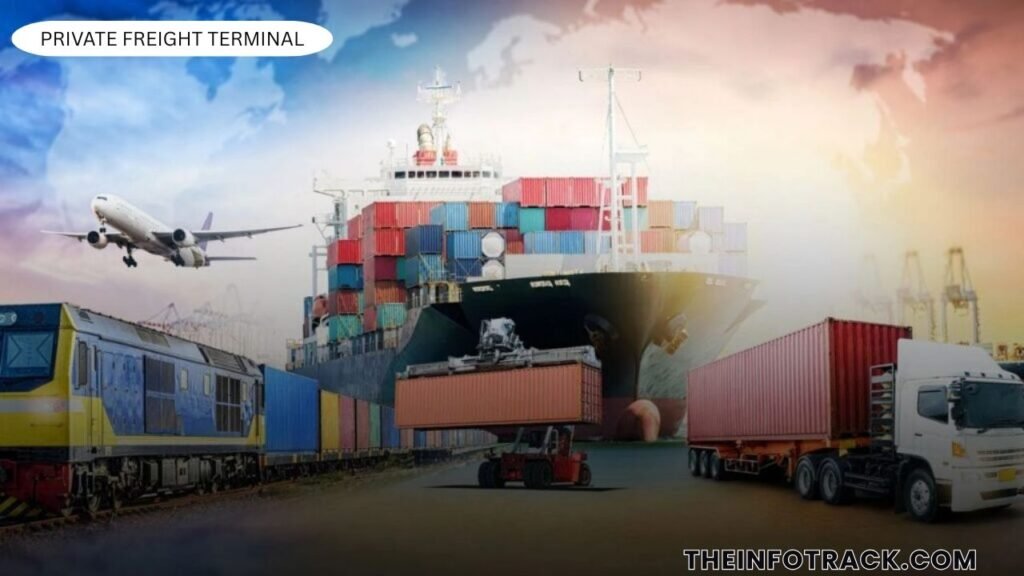
The private freight terminal plays a central role in modern supply chains by connecting production facilities, transportation networks, and distribution systems. Supply chains rely on efficient logistics infrastructure to move goods from manufacturers to consumers.
Private terminals act as strategic hubs where goods can be consolidated, sorted, and distributed to different locations. By centralizing freight operations, companies can manage large volumes of cargo more effectively.
These terminals also support multimodal transportation. Goods may arrive at the terminal by truck and then be transferred to rail transport or shipping containers for long-distance travel. Multimodal systems help reduce transportation costs and improve efficiency.
Private freight terminals also contribute to inventory management. Companies can store goods temporarily while coordinating delivery schedules and responding to market demand.
In global trade, private terminals play an important role in preparing shipments for international transport. They may include customs processing areas, cargo inspection zones, and specialized storage facilities for export goods.
Through these functions, private freight terminals help ensure that supply chains operate smoothly and that goods reach their destinations efficiently.
Technology and Innovation in Private Freight Terminals
Technology has significantly improved the efficiency of private freight terminal operations. Modern logistics systems rely on digital tools and automation to manage cargo movement and track shipments.
One important technological advancement is real-time cargo tracking. Using digital systems and sensors, logistics teams can monitor the location and condition of shipments throughout the supply chain.
Warehouse management systems are also widely used in freight terminals. These systems help manage inventory levels, track storage locations, and coordinate loading and unloading operations.
Automation is another growing trend in freight terminal operations. Automated conveyor systems, robotic sorting equipment, and advanced cargo handling machinery can improve efficiency and reduce labor requirements.
Data analytics also plays an important role. Logistics managers use data insights to optimize transportation routes, forecast demand, and improve operational planning.
Sustainability technologies are also becoming more common in private freight terminals. Energy-efficient lighting, electric cargo vehicles, and environmentally friendly infrastructure help reduce environmental impact.
These technological innovations continue to transform how private freight terminals operate and support modern logistics systems.
Conclusion
The private freight terminal has become an essential component of modern logistics and supply chain management. By providing dedicated infrastructure for cargo handling, storage, and distribution, private terminals allow businesses to manage freight operations more efficiently.
From improving logistics coordination to enhancing cargo security and operational flexibility, private freight terminals offer numerous benefits for companies involved in large-scale transportation and trade.
As global commerce continues to expand and supply chains become more complex, the importance of efficient logistics infrastructure will continue to grow. Private freight terminals help businesses maintain reliable transportation networks while adapting to evolving industry demands.
With the integration of advanced technologies and innovative logistics strategies, private freight terminals will remain a key part of the future of global transportation and supply chain management.
Also read: Rosboxar Explained: Meaning, Uses, Features and Digital Growth