
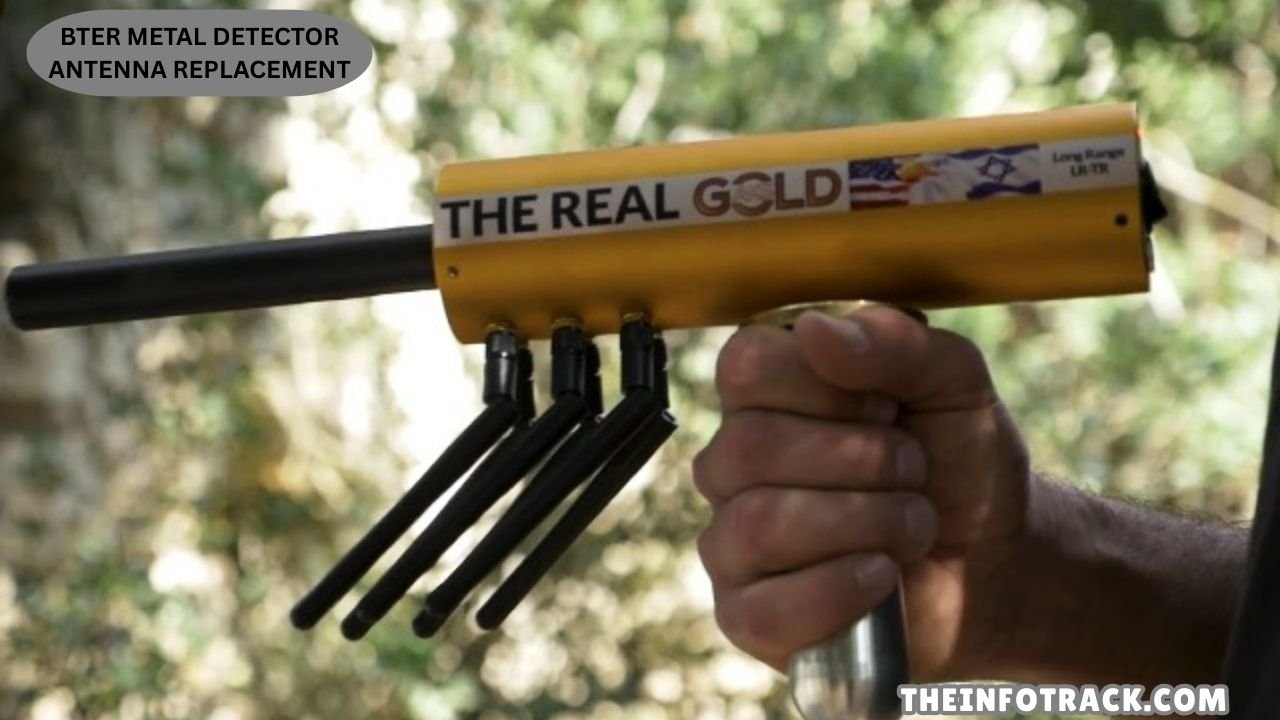
When metal detector users search for bter metal detector antenna replacement, they are typically looking for practical information about replacing a key component in their device. The antenna plays a critical role in the performance of a metal detector, helping detect signals and ensuring accurate readings. For anyone invested in treasure hunting, security work, or professional surveying, understanding bter metal detector antenna replacement is important for keeping equipment in optimal condition. Whether you are dealing with wear and tear, damage, or performance issues, knowing how to manage bter metal detector antenna replacement empowers users to maintain reliable detection performance.
Antenna issues can cause weak signals, false positives, and reduced detection depth. That’s why bter metal detector antenna replacement should be approached with care, using the correct parts and following proper steps. This article will break down everything you need to know about bter metal detector antenna replacement, including reasons for replacement, choosing the right antenna, installation procedures, and common troubleshooting tips.
What Is a Metal Detector Antenna and Why It Matters
Before diving into bter metal detector antenna replacement, it’s useful to understand what the antenna does. In metal detectors, the antenna serves as the primary signal transmitter and receiver. It emits electromagnetic fields into the ground and listens for disruptions caused by metal objects. Without a functioning antenna, a metal detector cannot perform effectively.
Therefore, when users consider bter metal detector antenna replacement, they are focusing on fixing or upgrading a part that directly affects performance. A damaged or worn antenna may reduce sensitivity, shorten detection range, and lead to inconsistent feedback. Accurate antenna function is essential whether you are searching for relics, tools, or hidden metal objects underground.
When You Need BTER Metal Detector Antenna Replacement
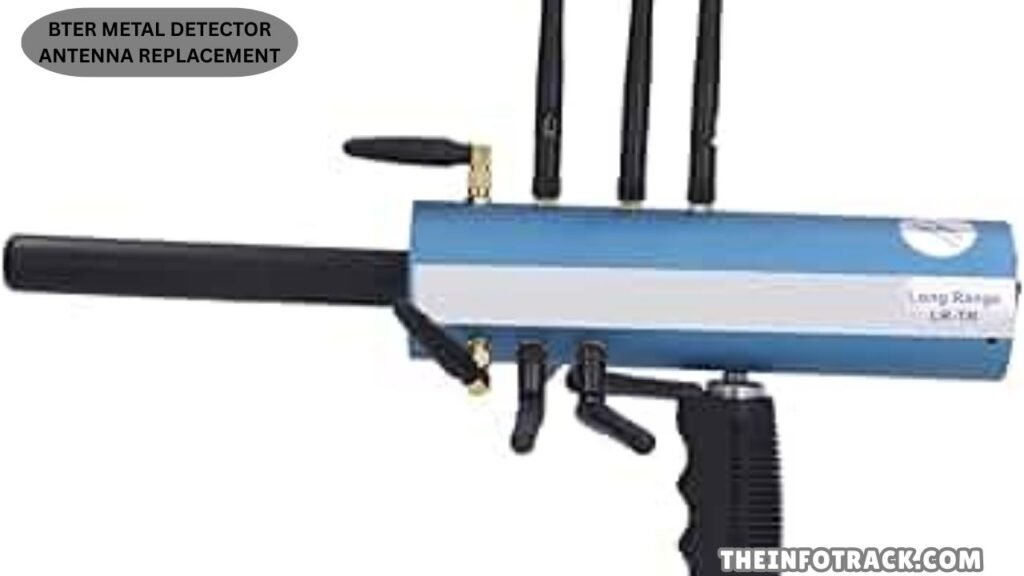
There are several scenarios where bter metal detector antenna replacement becomes necessary. Antennas can be physically damaged due to impacts, drops, or exposure to harsh environments. Over time, the antenna’s internal wiring may degrade, leading to signal loss or intermittent detection.
Performance issues like reduced sensitivity or erratic readings often suggest antenna problems. If basic recalibration or settings adjustments fail to fix the issue, bter metal detector antenna replacement may be the appropriate next step. Detecting when the antenna is at fault requires careful observation and sometimes professional assessment.
Choosing the Right Antenna for Replacement
When evaluating bter metal detector antenna replacement, selecting a compatible part is crucial. Not all antennas are interchangeable between models or brands. Ensure that the replacement antenna is designed specifically for your BTER metal detector model or is officially recommended by the manufacturer.
Check specifications including coil size, frequency, connector type, and whether the antenna matches the environmental conditions where you use the detector. High-quality replacement antennas are more resilient and often provide better performance than generic alternatives. Choosing the right part simplifies bter metal detector antenna replacement and reduces the risk of future issues.
Preparing for BTER Metal Detector Antenna Replacement
Before starting bter metal detector antenna replacement, gather the necessary tools. Common tools include screwdrivers, pliers, and possibly small wrenches depending on your detector design. Take time to power off the device and disconnect batteries to prevent accidental electrical issues.
Read the user manual or any manufacturer instructions related to bter metal detector antenna replacement. Some detectors place the antenna behind protective covers or housings that require careful disassembly. Organize screws and small parts so that reassembly is easier. Preparation makes the bter metal detector antenna replacement process smoother and less stressful.
Step-by-Step BTER Metal Detector Antenna Replacement
Once you are ready, follow these steps for bter metal detector antenna replacement:
- Power Down the Detector: Always start by turning off the device and removing batteries.
- Remove Protective Housing: Carefully open any casing that covers the antenna area.
- Disconnect Old Antenna: Gently detach the antenna from its connectors. Take note of how wires are routed.
- Install Replacement Antenna: Align the new antenna and connect it securely. Ensure that connectors are properly seated.
- Reassemble Housing: Put the protective casing back in place, securing screws and fasteners.
- Test the Detector: Reinstall batteries and turn on the detector to confirm proper function.
Careful attention to each step ensures that bter metal detector antenna replacement does not cause new issues.
Calibration and Testing After Replacement
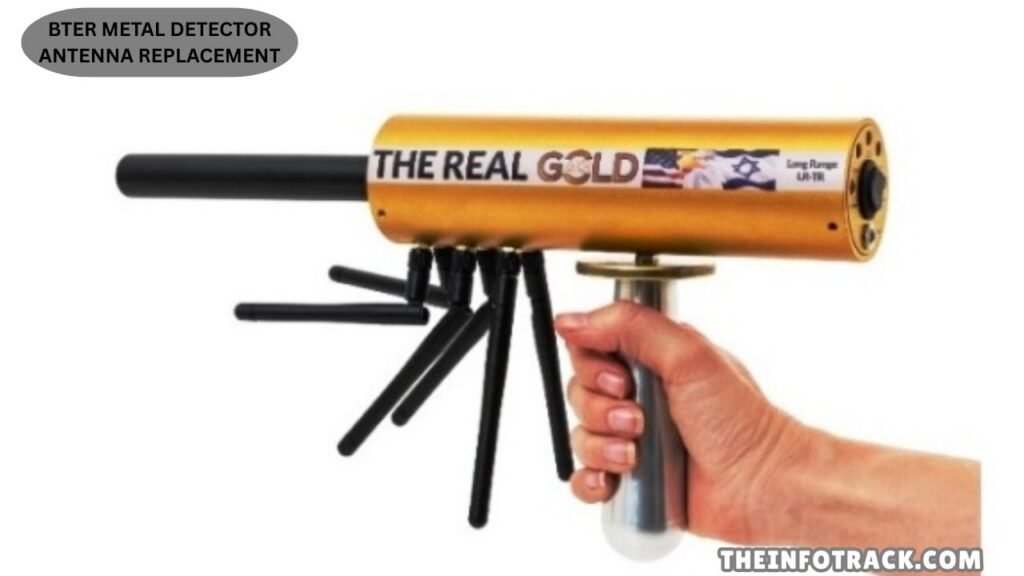
After completing bter metal detector antenna replacement, calibration may be necessary. Some detectors automatically recalibrate when powered on with a new antenna. Others require manual adjustments to sensitivity, ground balance, and other settings.
Perform a series of tests in a controlled area with known metal targets. This helps verify that the replacement antenna functions correctly. If performance remains inconsistent, double-check connections and settings. Testing ensures that bter metal detector antenna replacement achieves its intended purpose of restoring detection quality.
Common Mistakes to Avoid
When undertaking bter metal detector antenna replacement, some common mistakes can undermine results. Avoid forcing connectors or wires, which can cause damage. Ensure that screws are not overtightened, as this may crack housings. Another mistake is skipping calibration—without proper adjustment, the detector may not perform as expected.
Additionally, using incompatible antennas leads to poor results. Always verify compatibility before beginning bter metal detector antenna replacement. Avoid rushing through the process; careful work yields better long-term results.
Troubleshooting After Antenna Replacement
Even after bter metal detector antenna replacement, some issues may arise. If you experience weak signals, check that the antenna is mounted firmly and that all connectors are clean and properly seated. Loose connections often cause intermittent signal problems.
If performance is still poor, test the detector with another known good antenna if possible. This helps determine whether the issue is with the replacement part or other internal components. Sometimes, calibration adjustments improve results.
Maintenance Tips for Longevity
Once you have completed bter metal detector antenna replacement, maintaining your detector can prolong its life. Regularly inspect the antenna for signs of wear, keep it clean, and avoid rough impact. Proper care reduces the frequency of future replacements.
Also store your detector in a dry place, as moisture can affect internal wiring. Periodic checkups of all components ensure that performance stays consistent.
Final Thoughts on BTER Metal Detector Antenna Replacement
Antenna issues affect the heart of a metal detector’s performance. When users search for bter metal detector antenna replacement, they are looking for effective solutions to restore accurate detection. By understanding when to replace the antenna, choosing the right part, following careful installation steps, and testing thoroughly afterward, you can maintain a reliable detector setup.
Proper antenna replacement makes a noticeable difference in performance and extends the useful life of your metal detector. Whether you are a hobbyist or a professional user, knowing how to handle bter metal detector antenna replacement empowers you to keep detecting with confidence.
Also read: Is The ICS Airsoft Galil AR Still In Production Guide