
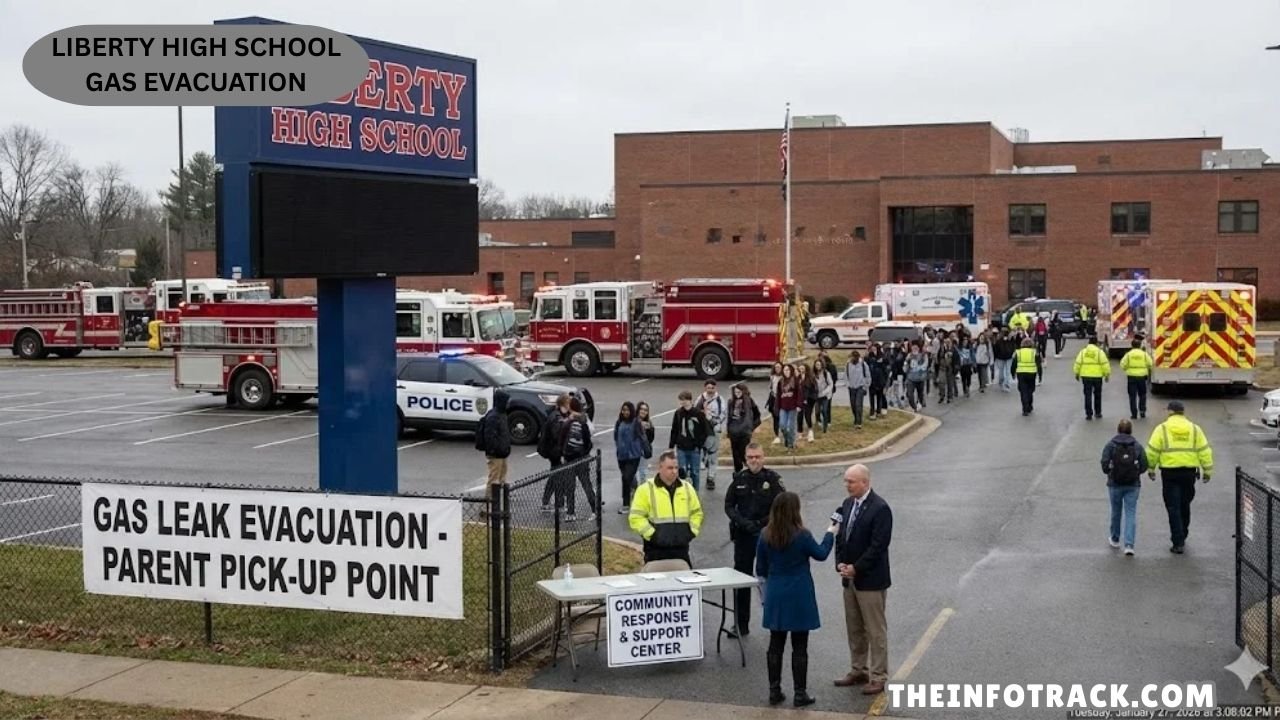
Emergencies in schools are moments that instantly capture the attention of students, parents, and entire communities. When safety is involved, even a small incident can feel overwhelming. One situation that often raises urgent questions is a gas-related evacuation. Searches for liberty high school gas evacuation usually come from concerned families, local residents, or readers wanting to understand exactly what happened, how it was handled, and what safety procedures were followed.
A gas leak at any educational facility is treated with the highest level of caution. Schools are responsible for protecting hundreds or even thousands of students and staff members at the same time. Because of that, even the suspicion of a gas odor or pipeline issue can trigger a full evacuation. While these actions may seem dramatic, they are designed to prevent harm before it occurs.
The liberty high school gas evacuation situation highlights how preparation, coordination, and calm leadership play critical roles during unexpected events. From the first report of a strange smell to the final safety clearance, every step follows structured emergency protocols. This detailed article explores the full timeline, response strategies, safety measures, and lessons learned — helping readers understand how schools manage incidents like these with care and efficiency.
Understanding Gas Evacuations in Schools
Before diving into the liberty high school gas evacuation timeline, it helps to understand why gas-related alerts are treated so seriously. Natural gas is commonly used for heating systems, laboratories, kitchens, and maintenance areas. While safe under normal conditions, leaks can create risks such as fire hazards, breathing difficulties, or dizziness.
Because many gases are odorless, utility providers add a strong smell to help people detect leaks quickly. If students or teachers notice that scent, immediate reporting becomes critical. School safety policies typically require evacuation even if the leak hasn’t been confirmed yet. It’s always better to act first and investigate second.
These policies exist to protect lives. Modern schools train staff and administrators regularly so they can respond without confusion. That preparation becomes especially important during moments like the liberty high school gas evacuation, when quick decisions matter most.
The First Signs: How the Liberty High School Gas Evacuation Began
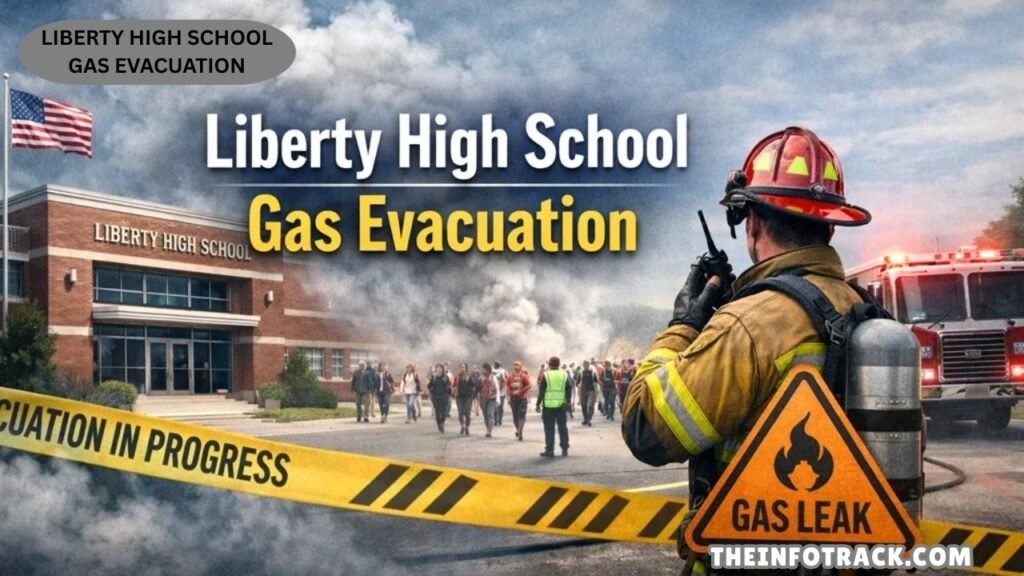
Every emergency begins with observation. In many school incidents, it starts when someone smells gas or notices unusual equipment behavior. During the liberty high school gas evacuation, reports likely came from classrooms or maintenance areas where staff sensed something wasn’t right.
Teachers are trained to trust these instincts. Instead of ignoring the odor or assuming it will disappear, they notify administrators immediately. Within minutes, safety teams assess the situation and activate protocols.
Once the potential threat is identified, alarms may sound and announcements instruct everyone to leave the building calmly. These early moments set the tone. Clear communication prevents panic and ensures a smooth exit.
The Evacuation Process and Student Safety
When the evacuation order is given, organization becomes the top priority. During the liberty high school gas evacuation, students and staff would have followed predetermined routes practiced during drills throughout the year.
Classrooms line up, teachers take attendance sheets, and groups move toward safe outdoor assembly points. Staff members help younger students or anyone needing assistance. Security teams sweep hallways and restrooms to make sure no one remains inside.
Outside, attendance checks happen quickly. This step is crucial. Administrators must confirm that every student and staff member is accounted for. Only then can emergency services begin their technical inspections.
Though evacuations can feel stressful, structured planning helps keep the environment calm. Many students describe these events as orderly rather than chaotic because procedures are so clearly rehearsed.
Role of First Responders and Utility Teams
Once everyone is safely outside, professionals take over. Fire departments, safety officers, and gas utility technicians respond rapidly to any suspected leak. Their expertise ensures the liberty high school gas evacuation situation is evaluated thoroughly and safely.
Firefighters may use gas detection equipment to measure air quality inside the building. Utility teams inspect pipelines, valves, and mechanical rooms. If a leak is confirmed, repairs begin immediately. If readings show no danger, investigators search for other causes such as HVAC malfunctions or chemical odors that might mimic gas.
These teams follow strict safety standards. They do not allow re-entry until every test shows the building is safe. While waiting can feel inconvenient, this cautious approach protects everyone involved.
Communication With Parents and the Community
During any school emergency, clear communication matters almost as much as the response itself. The liberty high school gas evacuation likely triggered notifications through calls, texts, emails, or school apps.
Parents naturally worry when they hear the word “evacuation.” Providing timely updates helps reduce fear and misinformation. Schools typically explain what happened, where students are gathered, and whether dismissal times will change.
Transparency builds trust. When families understand that procedures are proactive rather than reactive, they feel more confident in the school’s leadership. Quick communication also prevents rumors from spreading on social media.
Timeline of Events in the Liberty High School Gas Evacuation
Breaking the liberty high school gas evacuation into stages helps illustrate how smoothly these processes are designed to work.
First, detection occurs. Someone reports a smell or equipment concern.
Second, administrators verify and activate alarms. Evacuation begins immediately.
Third, students and staff exit to assembly points and attendance is taken.
Fourth, first responders inspect the building using specialized tools.
Fifth, repairs or testing confirm whether the environment is safe.
Finally, students either return to class or are dismissed early, depending on the outcome.
This structured timeline shows that each phase flows logically into the next. There is little guesswork because procedures are established long before emergencies occur.
Emotional Impact on Students and Staff
While safety is the top priority, emotional effects should not be overlooked. Events like the liberty high school gas evacuation can feel unsettling, especially for younger students.
Even when everything ends safely, the disruption can create anxiety. Schools often address this by reassuring students, explaining what happened, and reminding them that evacuations are precautionary. Teachers may take time to answer questions and normalize the experience.
In many cases, the event becomes a teaching moment. Students learn why drills matter and how preparation keeps everyone safe. Instead of fear, the takeaway often becomes confidence in the system.
Preventive Measures and Future Improvements
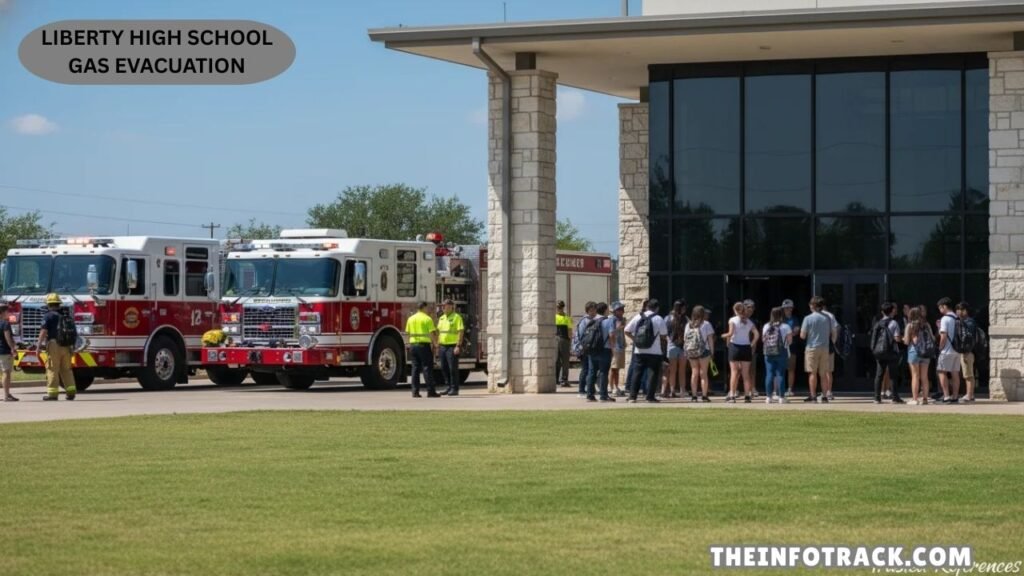
Incidents like the liberty high school gas evacuation also encourage schools to review their safety infrastructure. Maintenance checks may increase, sensors might be upgraded, and communication tools improved.
Preventive strategies often include regular inspections of heating systems, updated gas detectors, and staff refresher training. These steps reduce the likelihood of future alerts and ensure faster responses if they occur.
Each evacuation, even false alarms, provides valuable data. Administrators analyze what worked well and what could be smoother next time. This constant improvement keeps campuses safer year after year.
Why the Liberty High School Gas Evacuation Matters
At first glance, a gas evacuation may seem like just another school disruption. But it actually represents something much bigger: preparedness. The liberty high school gas evacuation demonstrates how schools prioritize safety above convenience.
Rather than waiting for confirmation of danger, they act immediately. Rather than risking uncertainty, they involve professionals. This mindset saves lives and builds community trust.
Ultimately, stories like this highlight the dedication of teachers, administrators, first responders, and students working together. The event becomes less about fear and more about resilience and responsibility.
In the end, the liberty high school gas evacuation serves as proof that effective planning works. When systems are in place and everyone knows their role, even unexpected situations can be handled calmly and successfully. That reassurance is exactly what every school community deserves.
Also read: Investiit.com Tips Guide: Smart Investing Made Simple