
Introduction: the fiery personality of the scotch bonnet pepper
The scotch bonnet pepper is one of the most recognizable and beloved chili peppers in the world, especially across the Caribbean. Known for its intense heat, fruity aroma, and vibrant color, the scotch bonnet brings character to dishes in a way few peppers can match. Its flavor carries a unique blend of tropical sweetness and sharp spice that defines countless traditional recipes. From Jamaican jerk chicken to island-style hot sauces, the scotch bonnet transforms simple ingredients into powerful culinary experiences.
Understanding this pepper requires an appreciation not just of its heat, but also its culinary history, cultural importance, nutritional strengths, and agricultural qualities. This article provides a complete and human-readable guide covering everything: how the pepper tastes, how to cook with it, how to grow it, how to store it, and why generations of cooks continue to rely on its unmistakable flavor.
Botanical background and classification
The scotch bonnet belongs to the species Capsicum chinense, a group of peppers known for both high heat and complex flavor. Despite the species name suggesting a Chinese origin, these peppers are deeply rooted in the Caribbean, Central America, and parts of South America. Over centuries of cultivation, the scotch bonnet has become one of the signature peppers in island cuisines.
Botanical highlights include:
- Species: Capsicum chinense
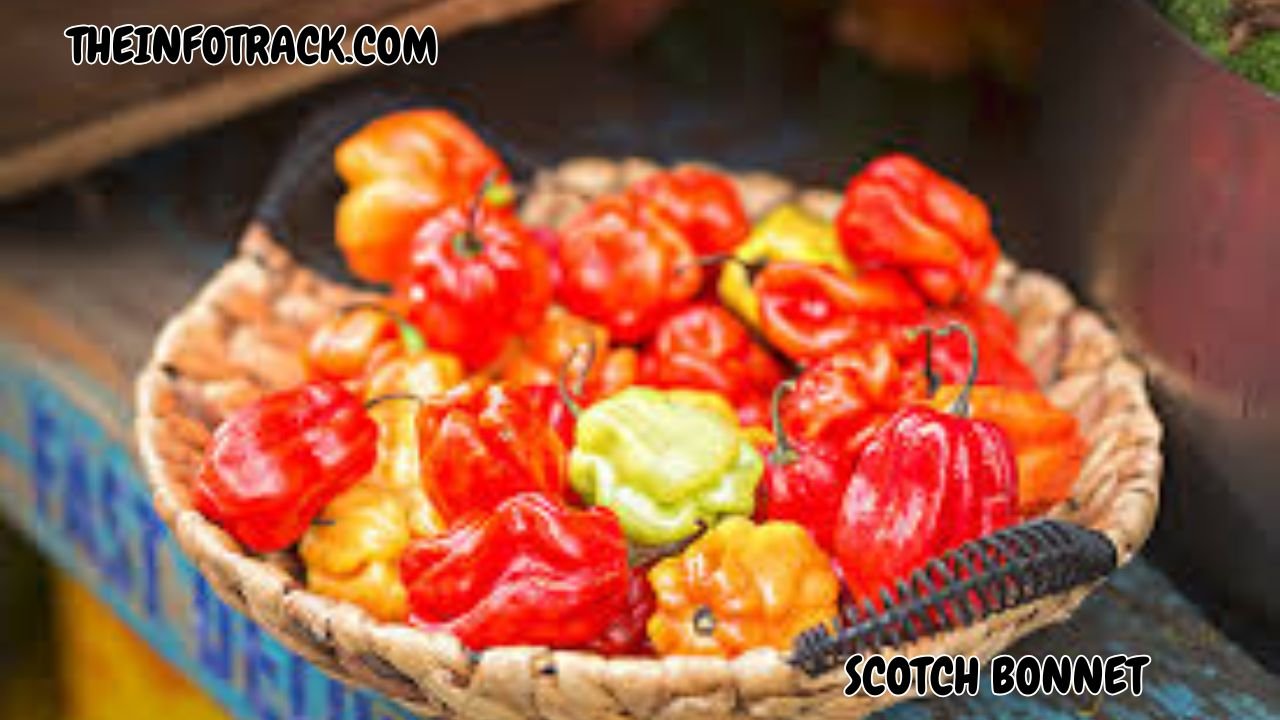
- Fruit type: small, lantern-shaped pods
- Color stages: green when unripe, turning yellow, orange, red, or even chocolate-brown depending on the variety
- Heat level: typically 100,000–350,000 Scoville Heat Units (SHU)
- Growth habit: small shrub-like plant, usually reaching 60–120 cm
Its name “scotch bonnet” comes from its resemblance to a Scottish tam o’ shanter hat, although the pepper originated nowhere near Scotland. The playful shape and brilliant color make it visually recognisable, but its aroma and flavor cement its place among the most cherished peppers in Caribbean food culture.
Flavor profile: heat meets tropical fruity sweetness
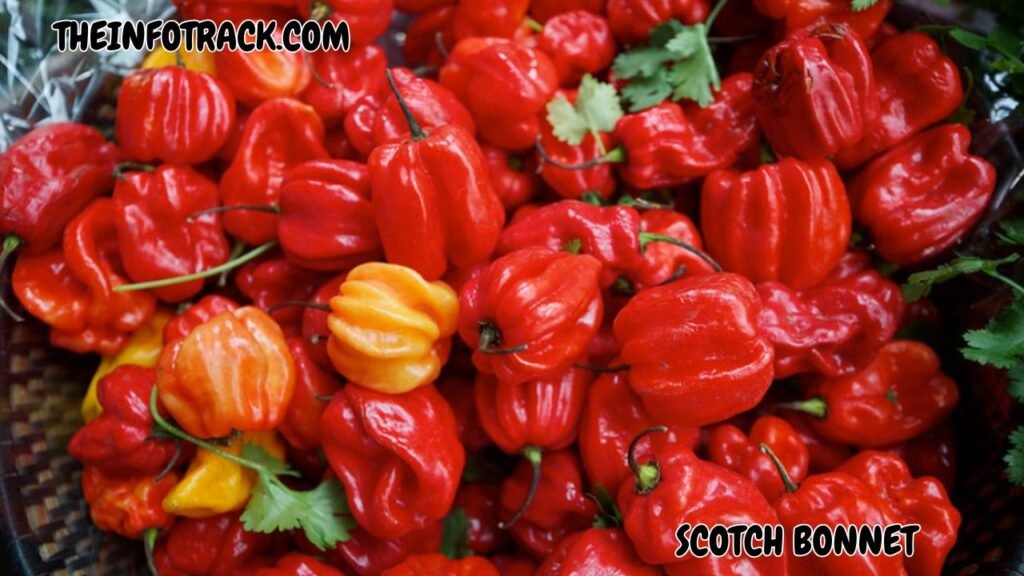
What sets the scotch bonnet apart is not only its heat but the depth of its flavor. Many hot peppers provide fire but little else; this pepper offers:
- Aroma reminiscent of tropical fruit
- Hints of apple, pineapple, and mango
- Citrus brightness
- Balanced sweetness beneath the spice
The heat arrives quickly and powerfully, but it is accompanied by a pleasant fruit-forward complexity that makes cooks reach for it again and again. This dual character explains why dishes like jerk chicken or pepper sauces taste incomplete without the scotch bonnet. The pepper’s natural oils release fragrance immediately during cooking, enhancing not only the taste but the overall sensory experience.
Heat level and Scoville rating
The scotch bonnet is undeniably hot. Its Scoville rating ranges roughly between 100,000 and 350,000 SHU. This places it in the same general heat category as the habanero pepper, although the two differ significantly in taste.
To put its heat into perspective:
- Jalapeño: ~3,000–8,000 SHU
- Cayenne pepper: ~30,000–50,000 SHU
- Scotch bonnet: ~100,000–350,000 SHU
- Carolina Reaper: over 1,500,000 SHU
This means the scotch bonnet is substantially hotter than most common peppers found in everyday grocery stores. Because of this potency, cooks typically use small amounts, allowing the pepper’s complexity to complement a dish rather than overwhelm it. Proper handling is important: gloves may be used when cutting the pepper, and surfaces should be washed thoroughly after preparation.
Culinary uses: how to cook with the scotch bonnet pepper
The scotch bonnet is central to Caribbean cuisines, but its uses spread far beyond the region. It can be used fresh, dried, whole, chopped, or blended. Each preparation method brings out different characteristics in the pepper.
Jerk seasoning and marinades
Perhaps the most famous application is Jamaican jerk seasoning. A traditional jerk marinade blends scotch bonnet with:
- Allspice
- Thyme
- Garlic
- Ginger
- Onion
- Brown sugar
- Citrus juice
- Salt
The pepper contributes both heat and aroma, giving jerk dishes their signature fiery depth. Without the scotch bonnet, authentic jerk simply cannot be reproduced.
Hot sauces and pepper condiments
Many islands produce signature pepper sauces based on the scotch bonnet. Ingredients vary, but typical additions include:
- Vinegar
- Mustard
- Lime juice
- Mango
- Papaya
- Herbs
These sauces range from bright and tangy to thick and fruity. They are used as table condiments, marinades, dipping sauces, and flavor boosters for nearly every meal.
Soups and stews
Caribbean soups such as fish tea, pumpkin soup, or chicken soup often include scotch bonnet for aroma and gentle heat. The pepper may be added whole and removed before serving to impart flavor without making the dish overwhelmingly spicy.
Rice dishes and beans
Just one whole pepper dropped into the pot while cooking rice, beans, or peas can transform the dish. This technique allows the pepper to season the food subtly without releasing its full intensity.
Salsas and chutneys
The fruity note of the scotch bonnet pairs well with mango, pineapple, papaya, and tomatoes. These combinations create refreshing yet spicy condiments that brighten roasted meats or grilled vegetables.
Pickling
Pickled scotch bonnet peppers stay crunchy and vibrant, offering a sharp, spicy bite. They keep well and can be used as toppings, cooking ingredients, or side condiments.
Raw use with caution
When used raw in salads or slaws, the pepper provides sharp intensity. Only small amounts are needed, chopped very finely.
Nutritional benefits of the scotch bonnet pepper
Beyond its culinary appeal, the scotch bonnet offers nutritional value that makes it a healthy addition to meals. Though it is used in small quantities, its nutrient density is still noteworthy.
Key nutritional aspects include:
- Rich in vitamin C: supports immune function, skin health, and antioxidant protection
- Contains vitamin A: important for vision and cellular health
- Dietary fiber: aids digestion
- Minerals such as potassium, magnesium, and iron
- Capsaicin: the compound responsible for heat, associated with metabolic and circulatory benefits
Capsaicin has been studied for potential effects including:
- Supporting metabolism
- Reducing appetite
- Promoting healthy blood flow
- Providing antioxidant and anti-inflammatory properties
Although the pepper must be consumed responsibly due to its intensity, in small portions it contributes flavor and health benefits simultaneously.
Cultural significance across the Caribbean
The scotch bonnet is more than just a hot pepper—it is an essential element of Caribbean identity. In Jamaica, Trinidad, Barbados, and several other islands, it appears in everything from home cooking to festive dishes. The pepper represents:
- Heritage: traditional recipes passed through generations
- Flavor identity: many iconic dishes are inseparable from its heat
- Agricultural pride: small farmers across the region cultivate it
- Culinary diplomacy: visitors associate the Caribbean with its unforgettable pepper sauces and jerk flavors
It is common to find scotch bonnet peppers growing in backyard gardens, sold at local markets, or featured in small-batch artisan sauces.
Comparison to the habanero pepper
The scotch bonnet is often compared to the habanero due to similar heat levels. However, they differ in important ways:
- Flavor: the scotch bonnet is sweeter and fruitier, while the habanero is floral and slightly sharper
- Shape: bonnet-shaped versus lantern-shaped
- Culinary traditions: the scotch bonnet is tied to Caribbean cuisine; the habanero is common in Central American and Mexican dishes
Cooks seeking authenticity in Caribbean recipes should always choose the scotch bonnet when available.
Growing the scotch bonnet: a practical guide
Growing scotch bonnet peppers can be rewarding for gardeners, especially those in warm climates. The plant requires specific conditions to thrive.
Climate and temperature
These peppers prefer tropical or subtropical conditions with:
- Warm soil
- Long growing season
- Daytime temperatures above 20°C (68°F)
- Night temperatures not dropping too low
In cooler climates, they can be grown in greenhouses, high tunnels, or containers brought indoors.
Soil requirements
The scotch bonnet grows best in:
- Well-drained soil
- Slightly acidic pH
- Organic-rich substrate
Mulching helps maintain moisture and soil warmth.
Watering
Consistent but moderate watering is ideal. Overwatering may cause root rot, while underwatering affects fruit production.
Fertilization
A balanced fertilizer supports healthy growth. Too much nitrogen encourages leaves instead of fruit, so moderation is key.
Flowering and pollination
The plants produce delicate flowers that attract pollinators. Proper airflow and sunlight improve fruiting.
Harvesting
Scotch bonnet peppers can be harvested when green or fully colored. The flavor deepens as they ripen. Fruit should be snipped rather than pulled to avoid damaging the plant.
Storage and preservation
Proper storage ensures maximum flavor and longevity for the scotch bonnet.
Fresh storage
Fresh peppers keep well in:
- Refrigeration: up to 1–2 weeks
- Paper bags or breathable storage: prevents moisture accumulation
Freezing
Whole or sliced peppers can be frozen for long-term use. Freezing maintains heat but slightly softens texture.
Drying
Dried peppers become great ingredients for powders, flakes, or rehydrated cooking uses.
Pickling and canning
Pickled peppers retain crunch, flavor, and brilliant color.
Hot sauce preservation
Homemade hot sauces last significantly longer when stored in sterilized bottles with adequate vinegar content.
Cooking techniques to maximize flavor
Several methods bring out different characteristics of the scotch bonnet.
Sautéing
Sautéing in oil releases aromatic compounds and mellows the heat slightly.
Roasting
Roasting deepens the natural sweetness and adds smoky complexity.
Steeping whole peppers
Steeping a whole pepper in broth, rice, or stew adds fragrance without unleashing full heat.
Blending
Blending peppers into sauces creates smooth, flavorful heat distribution.
Fermenting
Fermented scotch bonnet sauces develop tangy depth and probiotic benefits.
Safety tips while handling scotch bonnet peppers
Because of their intense heat, these peppers require careful handling:
- Wear gloves when cutting
- Avoid touching the face or eyes
- Wash hands and utensils thoroughly
- Use ventilation when cooking
- Store away from children
Following these steps ensures the cooking process remains enjoyable and safe.
Scotch bonnet recipe ideas
Here are practical ways to enjoy the pepper:
Caribbean-style pepper sauce
A simple sauce includes scotch bonnet, vinegar, garlic, onion, mustard, and lime. Blend to desired thickness and store refrigerated.
Fruit and chili salsa
Combine chopped mango or pineapple with scotch bonnet, cilantro, lime juice, and salt. Serve with grilled fish or chicken.
Classic jerk marinade
Blend scotch bonnet with herbs, spices, and aromatics to marinate meats or vegetables.
Spicy coconut stew
A whole scotch bonnet simmered in coconut milk adds gentle aromatic heat to seafood or vegetable stews.
Pickled pepper rings
Thinly sliced scotch bonnet soaked in vinegar and salt produces a flavorful garnish for sandwiches and bowls.
Why the scotch bonnet belongs in every kitchen
The scotch bonnet is not just a spicy pepper; it is a culinary tool that delivers flavor, aroma, heat, and cultural richness in one small package. Its balance of sweetness and heat adds dimension to dishes that no other pepper can fully replicate. Whether used in sauces, soups, marinades, or slow-cooked meals, it brings unmistakable depth.
Its nutritional benefits, vibrant color, and versatility make it an ingredient worth exploring. Once a cook becomes familiar with its range of applications, the scotch bonnet often becomes a staple in the pantry.
Frequently Asked Questions (FAQs)
1. What makes the scotch bonnet different from other hot peppers?
The scotch bonnet has a unique combination of heat and fruity sweetness. Its tropical flavor notes distinguish it from other peppers even in the same heat category.
2. How hot is the scotch bonnet pepper?
It ranges from 100,000 to 350,000 Scoville Heat Units, making it significantly hotter than jalapeños and cayenne peppers but milder than super-hot varieties like the Carolina Reaper.
3. Can I cook with scotch bonnet without making food extremely spicy?
Yes. Adding a whole pepper without cutting it, or removing seeds and membranes, allows for gentle flavor without overwhelming heat.
4. Are scotch bonnet and habanero peppers interchangeable?
They can be substituted in a pinch, but the flavors differ. Scotch bonnet is sweeter and fruitier, which is important for authentic Caribbean dishes.
5. How should I store scotch bonnet peppers for long-term use?
They can be frozen, dried, pickled, or turned into hot sauce. Freezing whole peppers is the easiest method and keeps heat and flavor well.
Also Read: Обикновена Eлда A Complete Guide to Common Buckwheat Nutrition, Uses, Cultivation and Recipes