
Introduction: what обикновена елда means and why it matters
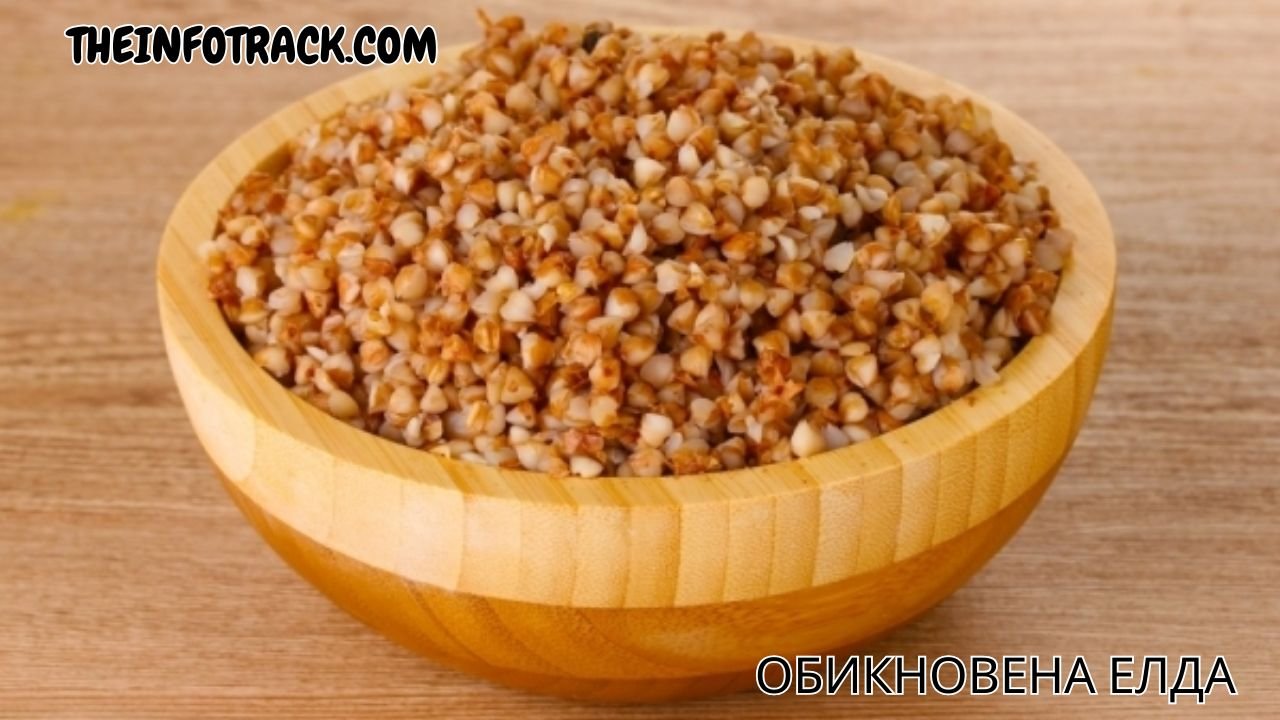
Обикновена елда is the Bulgarian name for common buckwheat (Fagopyrum esculentum), a versatile, nutritious plant grown for its small triangular seeds often treated as a cereal. Despite its grain-like use, обикновена елда is not a true grass — it belongs to the Polygonaceae family, which makes it a pseudocereal. Today it features on breakfast tables, in gluten-free baking, and on small-scale farms where its fast growth and flower-rich fields support pollinators. This article explores обикновена елда from the ground up: botanical identity, nutritional composition, culinary applications, health advantages, cultivation basics, sustainability considerations, buying and storage tips, and practical recipes you can try at home.
Botanical classification and plant description
Обикновена елда (Fagopyrum esculentum) is an annual broadleaf plant. It produces triangular seeds called groats that are hulled and used for food. The plant has the following botanical highlights:
- Family: Polygonaceae (knotweed family)
- Genus and species: Fagopyrum esculentum
- Growth habit: annual, erect stems 30–120 cm tall
- Flowers: small, white to pink, arranged in clusters that attract bees and other pollinators
- Seeds: triangular, brown when hulled and toasted, with a nutty aroma when cooked
Because обикновена елда is not part of the grass family, its grain-like seeds are classed as pseudocereals — similar to quinoa and amaranth in how they are used and valued nutritionally. The plant’s attractive flowers and short growing season make it popular in crop rotations and as a cover crop in some temperate agriculture systems.
Nutritional profile: what’s inside обикновена елда
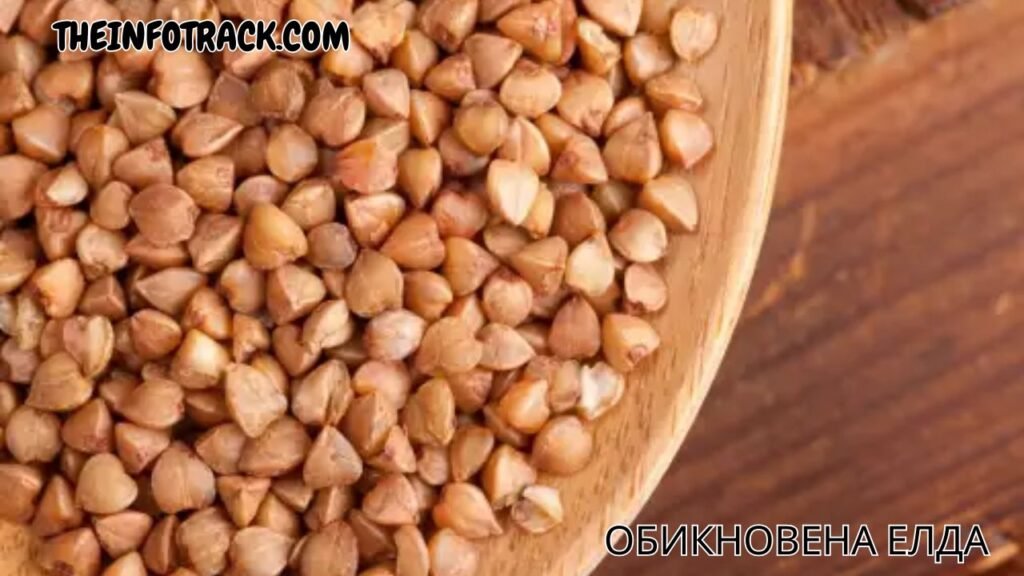
Обикновена елда offers a nutrient-dense package that makes it valuable both as a staple and as a healthful ingredient. Typical values vary with growing conditions and processing, but the general profile per 100 g of raw buckwheat groats is approximately:
- Calories: moderate (around 300–350 kcal)
- Protein: high for a plant seed (about 11–16 g)
- Fat: low to moderate, mostly unsaturated (around 3–4 g)
- Carbohydrates: the bulk of the weight, including complex starches and fiber (approx. 60–70 g)
- Dietary fiber: significant, supporting digestion (about 5–10 g)
- Essential amino acids: contains all eight essential amino acids, making it a more complete plant protein than many grains
- Vitamins and minerals: B-vitamins (notably niacin and B6), vitamin E, iron, magnesium, phosphorus, zinc, and small amounts of calcium and iodine
- Antioxidants and plant compounds: rutin, quercetin-type flavonoids, and other phenolic compounds associated with beneficial effects on vascular health
The combination of high-quality plant protein, fiber, and micronutrients makes обикновена елда a valuable addition to vegetarian and omnivorous diets alike. Its nutritional strengths are especially useful for people seeking gluten-free alternatives that do not sacrifice texture or nutritional value.
Culinary uses: how to cook and enjoy обикновена елда
Обикновена елда is remarkably versatile in the kitchen. It can be used in whole groat form, ground into flour, or toasted for richer flavor. Common culinary uses include:
- Porridge: boiled groats make a hearty porridge similar to oatmeal. Cooked with water or milk and finished with fruit, nuts, or savory toppings, it’s a warm breakfast staple.
- Buckwheat flour: used for pancakes, crepes, blinis, and some types of bread. It provides a robust nutty flavor and works well blended with other flours in gluten-free baking.
- Side dish: cooked groats are served like rice or barley, mixed with sautéed vegetables, herbs, or a splash of lemon.
- Salads: cooled, cooked groats add texture and protein to grain salads combined with greens, roasted vegetables, and vinaigrette.
- Soup and stews: groats can be added to soups to thicken and enrich them, offering a pleasant chew and nutty taste.
- Breakfast cereals and granola: buckwheat groats can be toasted and mixed into muesli or granola for crunch and nutrition.
- Fermented products: in some traditional cuisines, buckwheat is used in fermented batters or special regional breads.
Cooking tip: to enhance flavor and aroma, briefly toast raw groats in a dry pan until fragrant before boiling. Toasting deepens the nutty notes and yields a more complex taste profile.
Health benefits and dietary considerations
Обикновена елда is associated with several health-supporting properties thanks to its nutrient composition and bioactive compounds. Key benefits include:
Digestive health and fiber
The fiber in обикновена елда supports digestive regularity and healthy gut function. It helps slow digestion of carbohydrates, which can blunt rapid blood sugar spikes after meals.
Balanced blood sugar response
Because of its fiber and the nature of its starches, обикновена елда tends to produce a gentler rise in blood glucose compared with refined wheat products. This makes it a sensible choice for people aiming to moderate blood sugar fluctuations.
Heart health
Buckwheat contains rutin and other antioxidants that contribute to vascular health by supporting capillary strength and circulation. Its magnesium and fiber content also play roles in supporting healthy blood pressure and cholesterol management when included in a balanced diet.
Quality plant protein
Containing all essential amino acids, обикновена елда is a practical protein source for vegetarians and those reducing animal-sourced foods. While not a direct substitute for high-biological-value animal proteins in every context, its amino acid profile is superior to many common grains.
Gluten-free option
Since обикновена елда is naturally gluten-free, it is suitable for people with celiac disease or non-celiac gluten sensitivity. It provides texture and nutrition often missed when eliminating wheat and rye.
Allergies and sensitivities
Although gluten-free, buckwheat is a distinct plant and can cause allergic reactions in a small number of people. Those with severe food allergies should introduce it cautiously and observe for any adverse reactions.
Comparison with other buckwheat types and pseudocereals
The term обикновена елда specifically refers to common buckwheat, which differs from related species and other pseudocereals:
- Tartary buckwheat (Fagopyrum tartaricum) has a more bitter flavor profile and somewhat different phytochemical makeup.
- Quinoa and amaranth are other pseudocereals with similar culinary roles; they differ in flavor, texture, and nutritional emphasis — quinoa has more fat and a different protein spectrum, while amaranth has unique starch characteristics.
- Each pseudocereal offers distinct textures and flavors in recipes; обикновена елда stands out for its nutty taste and versatility in both sweet and savory dishes.
Growing обикновена елда: practical tips for gardeners and farmers
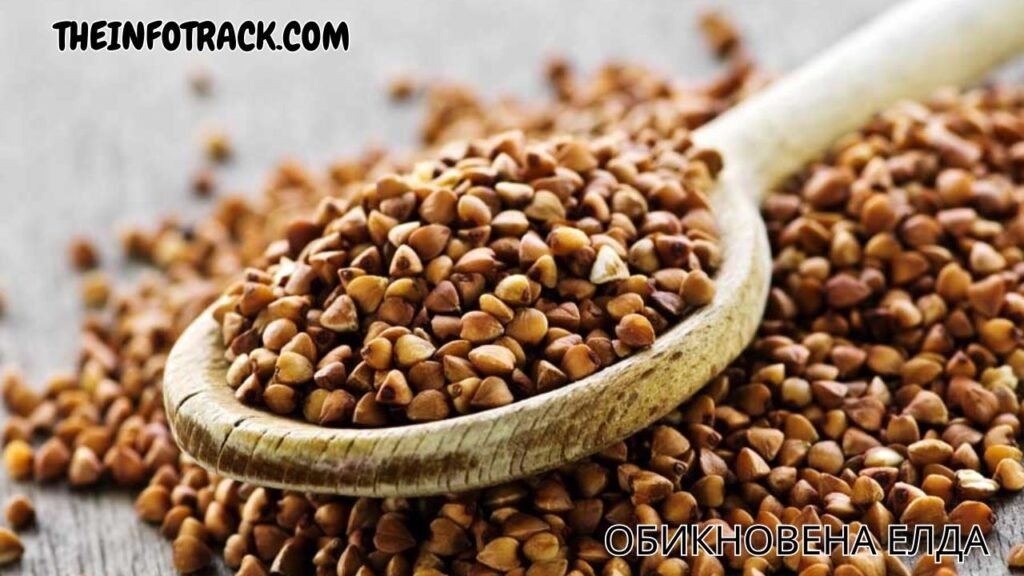
Обикновена елда is valued for being relatively easy to grow and for its adaptability. Here are practical growing considerations:
- Climate and soil: favors cool, temperate climates and performs well in well-drained soils. It tolerates poorer soils better than many cereals but benefits from moderate fertility.
- Planting time: typically sown in spring after the last frost or in late summer in some regions for a late-season harvest; it matures quickly, usually within 10–12 weeks depending on variety and conditions.
- Seedbed and sowing: a fine, firm seedbed supports even germination. Seeds are sown shallowly because they need light to germinate well.
- Water: moderate moisture is important during germination and early growth, but обикновена елда is not highly water-demanding and can tolerate short dry spells.
- Pests and diseases: generally low incidence but can be susceptible to the same fungal diseases and pests that affect other broadleaf crops; good crop rotation and disease monitoring reduce risks.
- Pollination and pollinators: its abundant flowers are attractive to bees and other pollinators; fields of обикновена елда can support local pollinator populations and result in good honey yields in some areas.
- Harvesting: seeds are harvested when they reach physiological maturity and have a low moisture content; drying and careful threshing prevent damage to the small seeds.
Because it grows rapidly and covers the soil fast, obiknovena elda (обикновена елда) is sometimes used as a cover crop to suppress weeds and protect the soil in off-season periods.
Environmental and sustainability aspects
There are several sustainability advantages to including обикновена елда in cropping systems:
- Short growing season: allows flexible rotations and can fit between other crops, improving land use efficiency.
- Low input needs: performs reasonably well without heavy fertilizer or pesticide use, lowering input-related environmental impacts.
- Pollinator support: abundant flowers provide forage for bees and beneficial insects, which supports biodiversity.
- Soil protection: fast canopy closure can reduce erosion and suppress weeds, improving soil health when used as a cover crop.
Taken together, these attributes make обикновена елда a useful component in diversified and ecologically minded farming systems.
Buying, storing, and selecting quality обикновена елда products
When shopping for обикновена елда products, note these practical tips:
- Forms available: whole raw groats, roasted groats (kasha), and buckwheat flour. Roasted groats have a toasted aroma and cook faster with a richer flavor.
- Freshness: shop from suppliers with good turnover; fresher groats taste better and have fewer rancid notes from fat oxidation.
- Packaging: airtight packaging protects from moisture and pests. For long-term storage, keep unopened packages in a cool, dry place.
- Refrigeration and freezing: for extended storage (months), refrigeration or freezing helps preserve flavor and prevent insect infestation, particularly when storing whole groats or flour.
- Grinding at home: whole groats can be ground into fresh flour for superior flavor in baked goods. If grinding at home, use a clean, dry mill and label the flour with the date.
Cooking techniques and recipe ideas
Below are practical tips and a selection of recipes to highlight обикновена елда’s culinary range.
Basic cooked groats (porridge or side dish)
- Rinse 1 cup groats under cold water. Optional: toast in a dry pan for 2–4 minutes until nutty and fragrant.
- Combine 1 cup groats with 2 cups water (or broth for savory) and a pinch of salt.
- Bring to a boil, reduce to simmer, cover, and cook for 12–15 minutes until tender.
- Let rest 5 minutes, then fluff with a fork.
Use as breakfast porridge with milk/yogurt, fruit, and nuts, or as a savory side with herbs and sautéed vegetables.
Buckwheat pancakes (simple blend)
- Mix buckwheat flour with an equal portion of another flour (rice or oat) for tenderness, add an egg (or flax egg), baking powder, a pinch of salt, and milk to make a pourable batter. Cook on a hot griddle until bubbles form, flip and finish. Serve with honey, yogurt, or savory fillings.
Grain salad with roasted vegetables
- Toss cooked and cooled obiknovena elda groats with roasted seasonal vegetables, chopped herbs (parsley, dill), toasted nuts, lemon vinaigrette, and a splash of olive oil. This makes a filling lunch or side.
Savory buckwheat bowl
- Base of cooked groats topped with roasted chickpeas, avocado, sautéed greens, a soft-cooked egg, and tahini-lemon dressing — balanced, protein-rich, and satisfying.
Buckwheat soup addition
- Add ½ cup groats to vegetable or chicken soup during the last 15–20 minutes of cooking to bulk up the meal and add texture.
Experiment with proportions and ingredient pairings; обикновена елда’s nutty character pairs well with mushrooms, root vegetables, citrus, and fermented dairy.
Storage of cooked обикновена елда and leftovers
Cooked groats store well in the refrigerator for 3–4 days. Cool quickly after cooking and store in airtight containers. Reheat gently with a splash of water or broth to restore moisture. Frozen cooked groats can last 1–2 months; thaw overnight in the refrigerator before reheating.
Common myths and clarifications
- Myth: Buckwheat is a grain. Clarification: It is used like a grain but is botanically a pseudocereal (not a grass).
- Myth: All buckwheat tastes the same. Clarification: Roasting, variety, and species (common vs. tartary) alter flavor considerably. Roasted groats are richer and crunchier; raw groats are milder.
- Myth: Buckwheat is a poor protein. Clarification: Compared to many cereals it offers a stronger amino acid profile and includes essential amino acids, making it a valuable plant protein source.
How to incorporate обикновена елда into daily meals
For easy daily use:
- Swap rice or couscous for cooked groats as a side.
- Mix cooked groats into soups and stews.
- Use buckwheat flour partly in pancake and baking recipes.
- Toast groats and sprinkle over yogurt or salads for crunch.
- Make a large batch of cooked groats at the start of the week for quick meals.
These simple habits bring the nutrition of обикновена елда into routine eating without complicated recipes.
Conclusion: why обикновена елда belongs in your pantry
Обикновена елда combines nutritional strength, culinary flexibility, and agricultural advantages. It is a flavorful, gluten-free alternative to common grains, useful to cooks and growers alike. Whether you want a hearty breakfast, a protein-rich side, or a low-input cover crop to enrich your garden, обикновена елда provides practical benefits with a pleasant nutty flavor that adapts to sweet and savory dishes.
Frequently Asked Questions (FAQs)
1. What is обикновена елда and how is it different from regular wheat?
Обикновена елда is common buckwheat (Fagopyrum esculentum), a pseudocereal unrelated to wheat. Unlike wheat, it is gluten-free and belongs to the Polygonaceae family rather than the grass family. Its seeds are used like grains but have a different botanical origin and nutrient profile.
2. How do I cook обикновена елда groats for the best texture and flavor?
Rinse the groats, optionally toast them briefly in a dry pan to deepen flavor, then simmer one part groats with two parts water or broth for about 12–15 minutes until tender. Let rest a few minutes off the heat and fluff before serving.
3. Is обикновена елда a good option for people avoiding gluten?
Yes. Обикновена елда is naturally gluten-free, making it safe for people with celiac disease or gluten sensitivity, provided it has not been cross-contaminated with gluten-containing grains during processing or packaging.
4. Can I grow обикновена елда in a small garden?
Yes. Обикновена елда is well-suited to small-scale cultivation: it has a short growing cycle, tolerates a range of soils, and produces many flowers that attract pollinators. Plant after the last frost and keep soil moist during germination.
5. How should I store buckwheat products to keep them fresh?
Store whole groats and flour in airtight containers in a cool, dry place. For longer storage, refrigeration or freezing helps prevent rancidity and insect infestation. Cooked groats keep in the refrigerator for 3–4 days and can be frozen for up to two months.
Also Read: Understanding Diag Image: A Complete Human-Friendly Guide to Its Meaning, Uses, and Digital Value